A thorough correlation analysis of two basic theories regarding collectible market behavior is presented in this section. In order to test Hypothesis 1, which suggests that markets for collectibles are positively correlated with their manufacturer stocks, and Hypothesis 3, which investigates whether collectibles are correlated with specific stock market indices, gold, and digital assets, Pearson correlation coefficients are used.
The correlation framework offers crucial information about the market independence and diversification potential of luxury collectibles as alternative investments. We compute correlation coefficients between each collectible category and four key benchmarks using monthly logarithmic returns over the study period: the MSCI World Index, which represents global equity markets; the S&P Global Luxury Index Total Return, which captures the dynamics of the luxury sector; COMEX Gold Futures, which represents traditional safe-haven assets; and Bitcoin, which represents digital alternative assets.
We look at direct correlations between collectible indices and their matching producer stocks for manufacturer relationships. Examples of these include Ferrari versus classic car indices, Diageo versus rare whisky, LVMH versus champagne performance, and other luxury conglomerate-collectible pairings. The basic questions of whether collectibles function as independent value stores or as stand-ins for their manufacturing companies are addressed in this analysis.
4.2.1 H1: collectibles markets are positively correlated to their manufacturer stocks & H3 are correlated to selected stock market indices, gold, and digital assets
Finding the relationships and interdependent dynamics between different collectible indexes and associated luxury brand producers is made easier with the help of the correlation matrix. As shown in the correlation classification table, the correlation coefficient (r) quantifies the direction and strength of these linear relationships, ranging from -1 to +1.
4.2.1.1 Champagne
The statistical relationship between Champagne as a collectible investment, as measured by the Liv-ex Champagne 50 Index, and the larger financial markets as well as its related corporate equity (LVMH) is examined in this section. The objective is to determine whether Champagne provides decorrelated return behavior that is appropriate for diversifying a portfolio, especially when compared to commodities, stocks, and cryptocurrency assets. The Liv-ex Champagne 50 Index has a consistently low correlation with conventional financial benchmarks. There is no discernible correlation between champagne and the world's stock markets (0.063 with MSCI World), precious metals (0.031 with Gold Futures), or cryptocurrencies (0.006 with Bitcoin). These findings support Champagne's independence from financial assets that are influenced by sentiment or cycles.
A weak negative correlation (-0.245) with the S&P Global Luxury Index is the only significant relationship, indicating that the performance of listed luxury goods companies may differ slightly from Champagne prices. The fact that champagne is a consumable and collectible good, where scarcity, connoisseur demand, and vintage quality—rather than public equity market valuations—drive pricing, may be the cause of this.
With a modest correlation of 0.140, there is no discernible relationship between LVMH stock and the Champagne Index. Champagne prices on the secondary market are not greatly impacted by LVMH's stock movements, even though the company is a major producer of Champagne brands (Dom Pérignon, Moët & Chandon, and Krug). The distinct pricing dynamics of collectible consumables in contrast to their commercial parent companies are highlighted by this decoupling.
One notable example of a non-correlated alternative asset is champagne. Its independence from corporate equity performance, commodities, equities, and crypto-assets makes it a useful part of portfolio diversification, particularly in settings looking for protection from macroeconomic volatility. Champagne's slow-moving price dynamics, inherent scarcity, and collector-driven demand make it appealing to investors who are concerned with capital preservation and low-beta exposure. It is a unique store of value within the larger collectible asset landscape because of its lack of correlation with financial markets, which increases its usefulness in decorrelation-focused allocation strategies.
4.2.1.2 Whisky
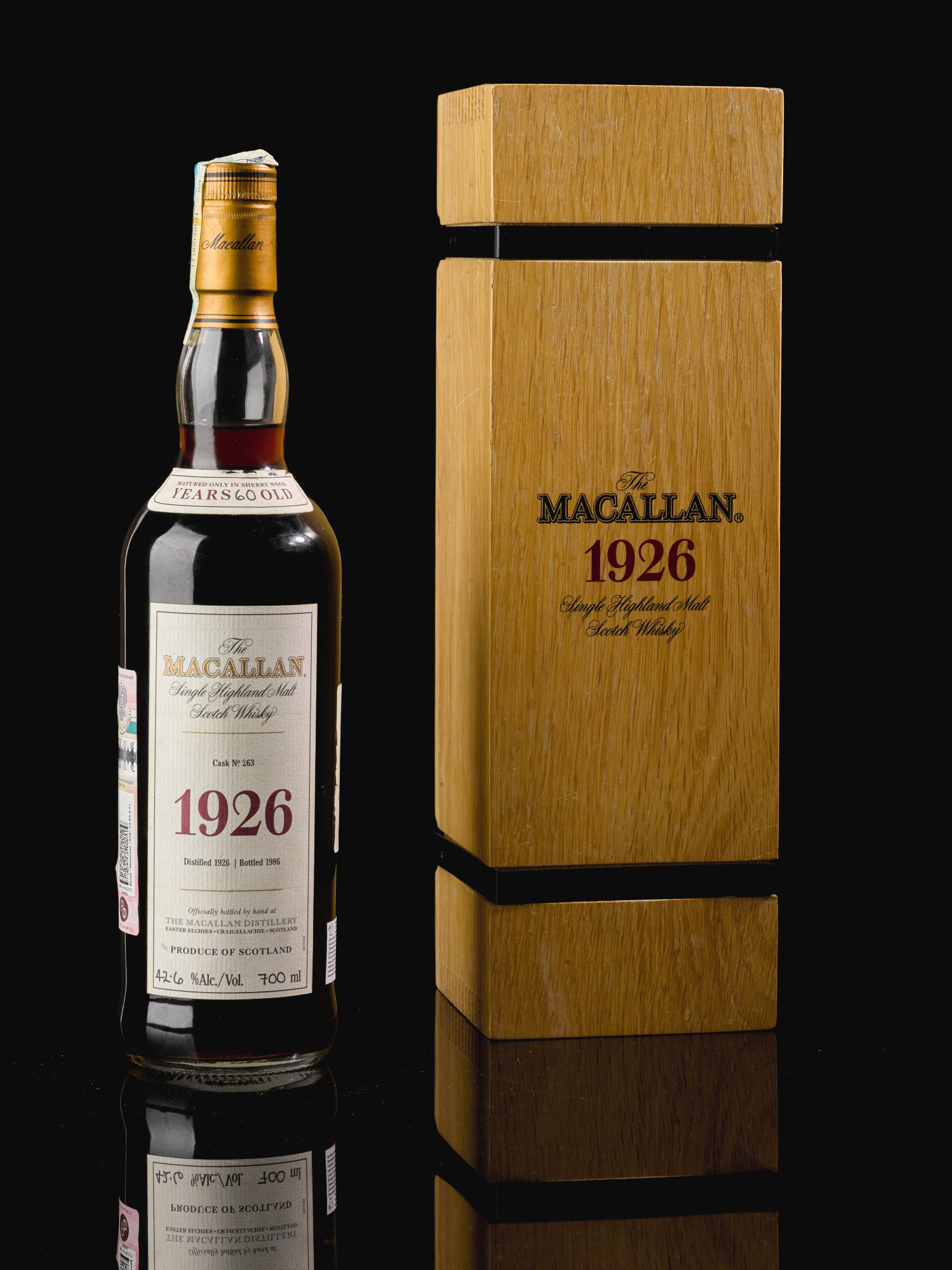
This section examines the statistical correlation between rare whisky, as measured by the Rare Whisky Brora Index (RWB), and the wider financial markets as well as the producer stock that is linked to it (Diageo, the owner of the Brora distillery). Evaluating rare whisky's potential as a diversifying asset, separate from both conventional and alternative investment classes, is the aim.
The lack of statistically significant correlation between the Rare Whisky Brora Index and significant financial benchmarks supports the notion that collector-driven, idiosyncratic factors influence rare whisky prices. Given that the correlations for the MSCI World (0.073) and S&P Global Luxury Index (0.099) are both in the "no correlation" range, rare whisky seems to be largely unrelated to sentiment in the luxury sector as well as global equity cycles.
Interestingly, there is a weakly negative correlation (-0.221) between rare whisky and gold futures, suggesting a slight inverse movement with conventional safe-haven assets. This could imply that collectible whisky follows its own niche dynamics rather than acting defensively during emergencies. There is no correlation between Bitcoin (-0.051) and speculative digital assets.
Importantly, even when the company in question owns the brand and distillery, the correlation between the RWB Index and Diageo stock (0.014) is close to zero, indicating that the collectible whisky market is completely independent of corporate equity performance. This reflects fashions in art, handbags, and champagne.
The Brora Index, which represents rare whisky, functions as a real asset that is not correlated and is independent of the corporate, equity, commodity, or cryptocurrency markets. Rare whisky provides significant diversification value for investors looking for decorrelation, appreciation driven by scarcity, and cultural cachet. Its function as a stand-alone allocation category is highlighted by its statistical separation from producer stocks and larger markets. Rare whisky may act as a hedge against financial system entanglement and a store of value, especially for portfolios that are concentrated on long-duration, passion-driven, or inflation-resilient assets.
4.2.1.3 Watches
4.2.1.3.1 Watches with public company stock
The performance of luxury watches on the secondary market and the equity returns of the manufacturing conglomerates that produce them are examined in this section. The study focuses on watches made by publicly traded companies, including Hermès, Swatch Group, Richemont, and LVMH, and evaluates whether brand-specific collectible indices behave in sync with the stocks of their parent companies or the overall financial markets.
The secondary-market indices of collectible watches issued by publicly traded luxury companies show little correlation with the stock performance of their parent companies, according to the correlation coefficients. For example, there is a statistically insignificant correlation between Hermès stock and the WatchCharts Hermès Market Index of just 0.061. Swatch brand indices differ: the wider Swatch Group Market Index is at 0.156, while Omega and Breguet show only weak correlations with Swatch Group stock (0.105 and 0.195, respectively). None of these values, though, point to significant co-movement.
Similar trends are shown by LVMH's brands: the TAG Heuer and LVMH Market Indices have weak correlations with LVMH stock, corresponding to 0.109 and 0.152, respectively. Brands associated with Richemont, such as IWC (0.003), Jaeger-LeCoultre (0.015), and Cartier (0.123), all show only weak ties to Richemont equity. Interestingly, a number of Richemont watch indices show marginally negative correlations with their parent stock, including Vacheron Constantin (-0.075) and Montblanc (-0.076), suggesting that valuation drivers may be different.
The findings also apply to macro benchmarks. There is no discernible relationship between any watch index and Gold Futures, S&P Global Luxury, or MSCI World. The strongest correlations, TAG Heuer (0.386) and Cartier (0.325), are moderate and vary across brands, even with Bitcoin, which is notorious for its speculative activity. Collective market neutrality is suggested by the Near-zero correlation between the Overall Watches Market Index, which aggregates performance across all brands, and all financial indices.
A structurally distinct asset class is reflected in this independence across macro (index) and micro (corporate) metrics. The resale market's watch prices are influenced by supply constraints, collector demand, and brand desirability rather than equity valuations or general economic sentiment. The independence of the horological secondary market is highlighted by the empirical separation between the pricing of collectible watches and public equity markets. The price behavior of these collectibles is non-financial and deviates from the financial and strategic narratives of their manufacturers. Because their value comes from cultural capital rather than company balance sheets, collectible watches shouldn't be viewed as stand-ins for investing in luxury conglomerates.
Investors can diversify the risk of their portfolios by taking advantage of this uncoupling. Watches are good choices for low-correlation, alternative asset allocations because they exhibit little beta exposure to issuer stocks and macro markets. Rather than capital market cycles or earnings reports, collector psychology, rarity, and model-specific dynamics provide a better understanding of their value. According to the data, collectible watches—even those made by publicly traded companies—function in a different valuation ecosystem than conventional financial assets. Their appeal as robust, physical stores of wealth is strengthened by the fact that they more accurately reflect cultural values than financial performance.
4.2.1.3.2 Watches without public company stock
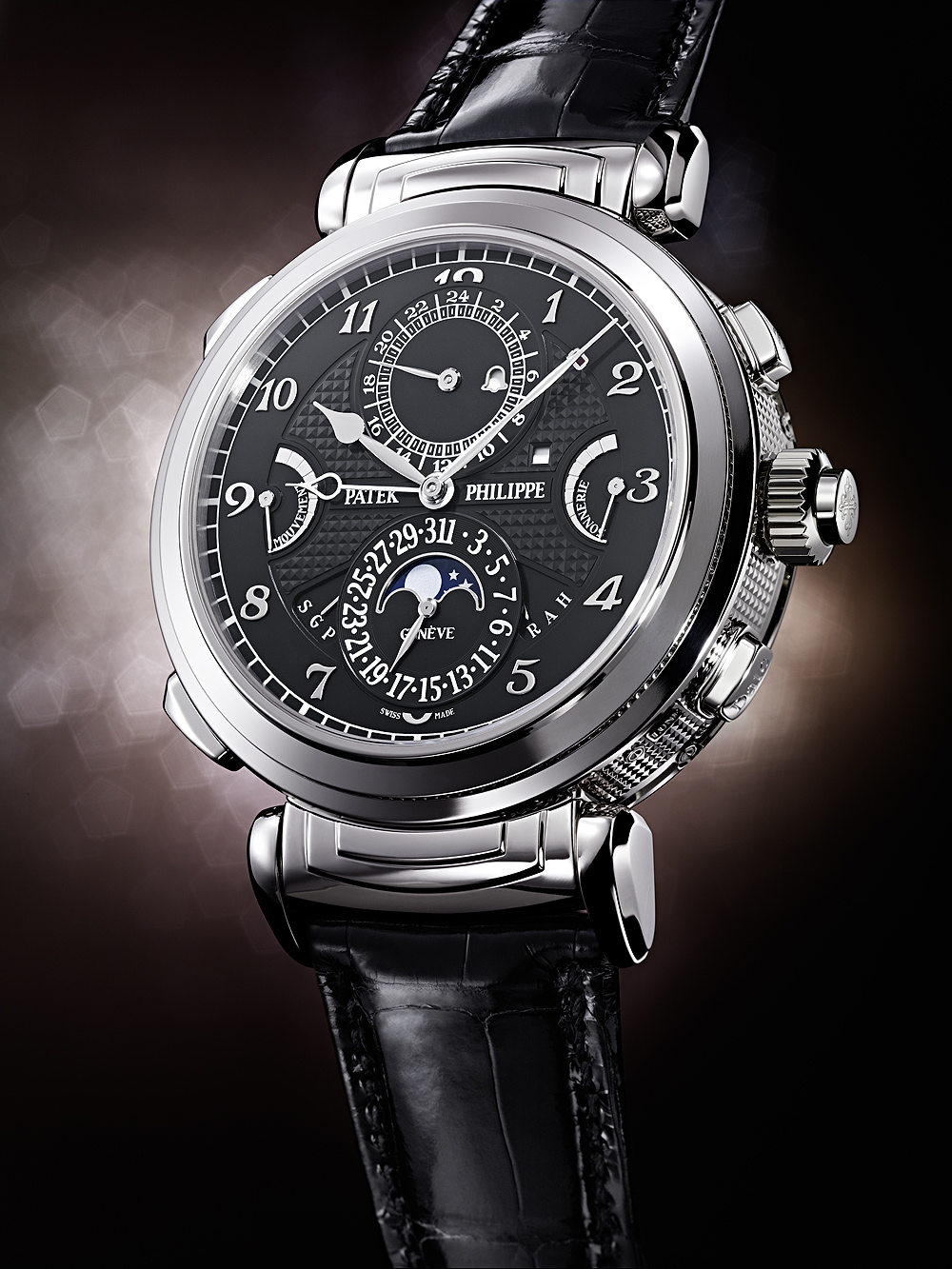
The statistical correlation between a few chosen financial market benchmarks and collectible indices for four separate luxury watchmakers—A. Lange & Söhne, Patek Philippe, Audemars Piguet, and Rolex—is examined in this section. Monthly returns from October 2015 to June 2025 served as the basis for the analysis. The MSCI World Index, the S&P Global Luxury Index Total Return, COMEX Gold Futures, and Bitcoin are among the financial benchmarks. These privately held businesses, which are not part of the public equity markets, provide a distinct perspective on the independent behavior of brand-driven collectibles in contrast to brands associated with listed conglomerates.
The information highlights a recurring pattern of non-correlation between the main financial market indicators and the independent watch brands. The Pearson coefficients for each of the four brands stay between -0.20 and +0.20, suggesting that there is no significant linear correlation between them and the S&P Global Luxury Index, the MSCI World Index, gold, or Bitcoin.
Significantly, A. Lange & Söhne exhibits the most inverse relationship among the benchmarks (-0.187 with MSCI World and -0.115 with the luxury index), suggesting slightly counterintuitive behavior while remaining within the statistical non-correlation threshold. The biggest and most powerful independent, Rolex, has weak and negligible positive correlations with MSCI World (0.096) and gold (0.065). These differences are slight and do not indicate tracking behavior or systematic dependence.
These results confirm that, even for internationally renowned and culturally iconic independent brands, watch prices in the secondary market are not influenced by macroeconomic or financial cycles. The notion that watch collectibles might co-move with speculative or sentiment-driven digital assets is also rejected by the lack of correlation with Bitcoin (e.g., -0.182 for Patek Philippe and 0.029 for Rolex).
The independent watch industry seems to operate solely on intrinsic, brand-specific dynamics, which are frequently influenced by production caps, waiting lists, model rarity, and collector loyalty—rather than by public market sentiment or risk-on/risk-off behavior—as opposed to the more general equity markets or commodities.
The analysis's findings support the idea that independent watches are uncorrelated alternative assets with unique return patterns that are not influenced by systemic risk factors. These brands are also shielded from corporate governance cycles, earnings reports, and equity market noise that could affect listed luxury goods companies due to their lack of public ownership. These assets are attractive to portfolio allocators because of their cultural durability and statistical insulation. In addition to their craftsmanship and scarcity, these watches offer protection from macroeconomic synchronization. They can therefore be used as key elements in diversified portfolios that focus on decorrelation, legacy investment themes, and capital preservation. The broader conclusion of this thesis—that the economic logic governing collectible markets is fundamentally different from that governing financial assets, with independence from listed equity markets continuing even in the absence of corporate exposure—is thus supported by this class of horological collectibles.
4.2.1.4 Handbags
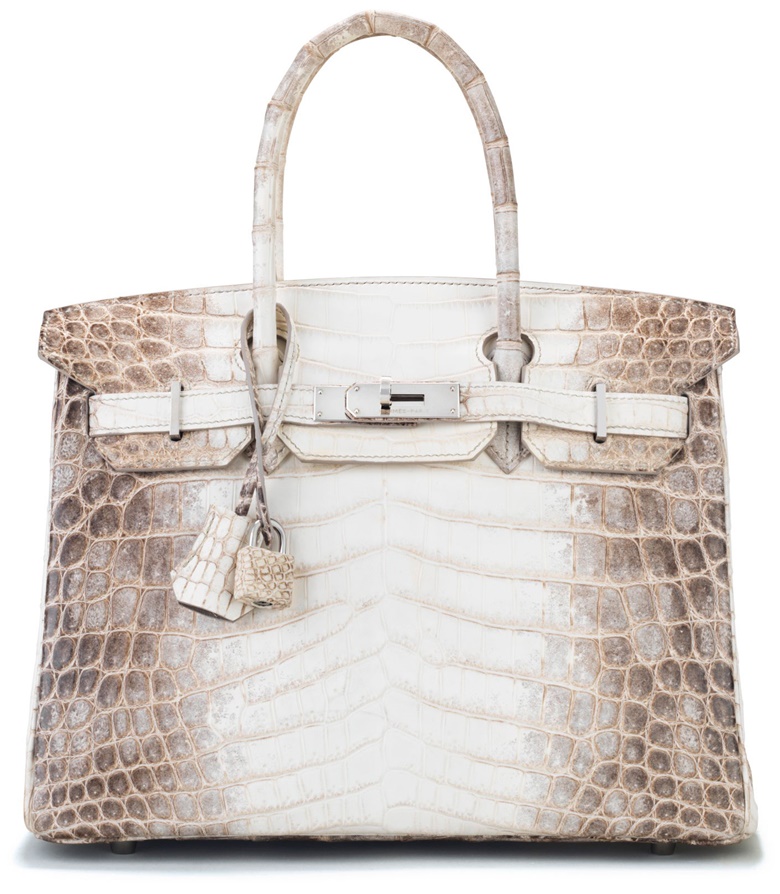
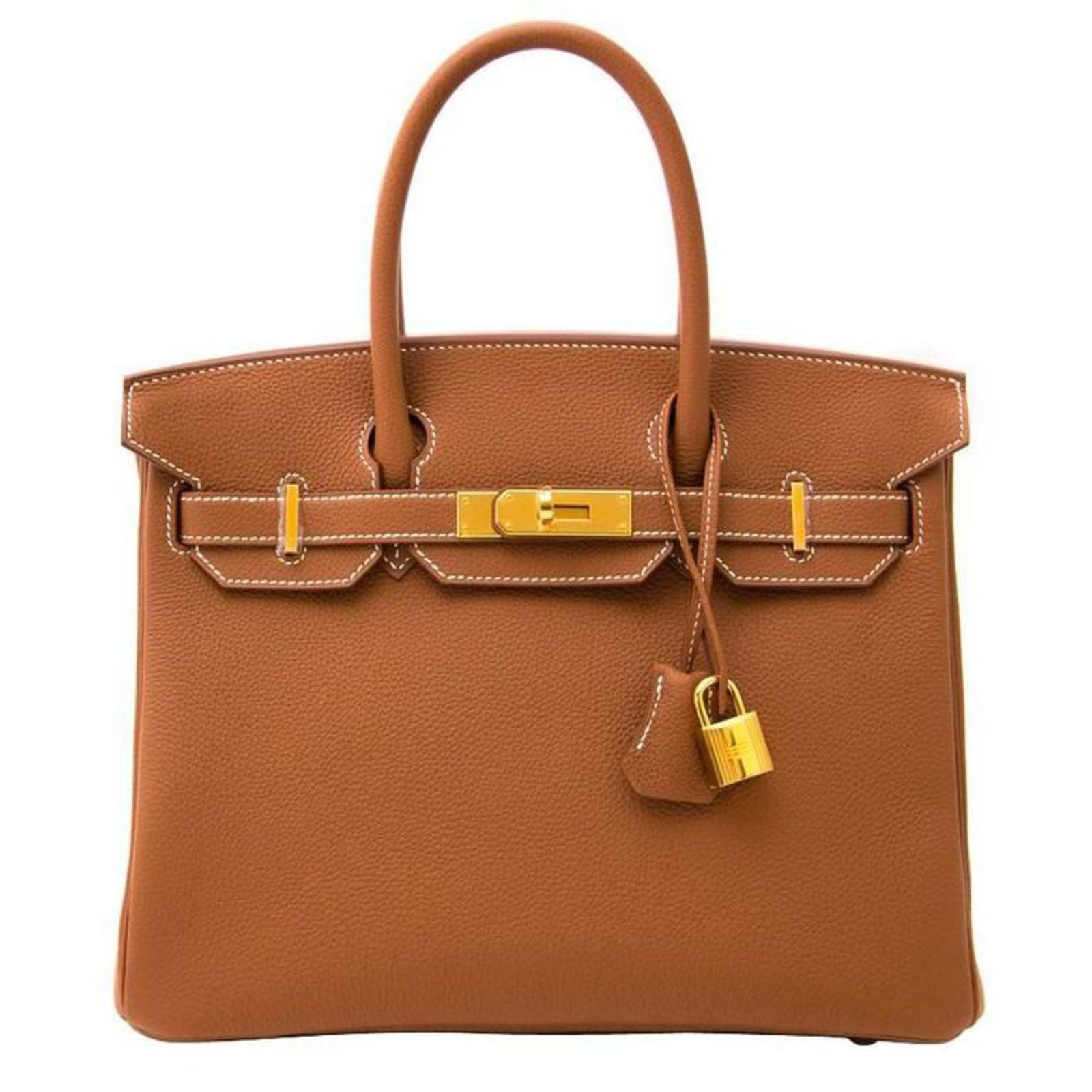
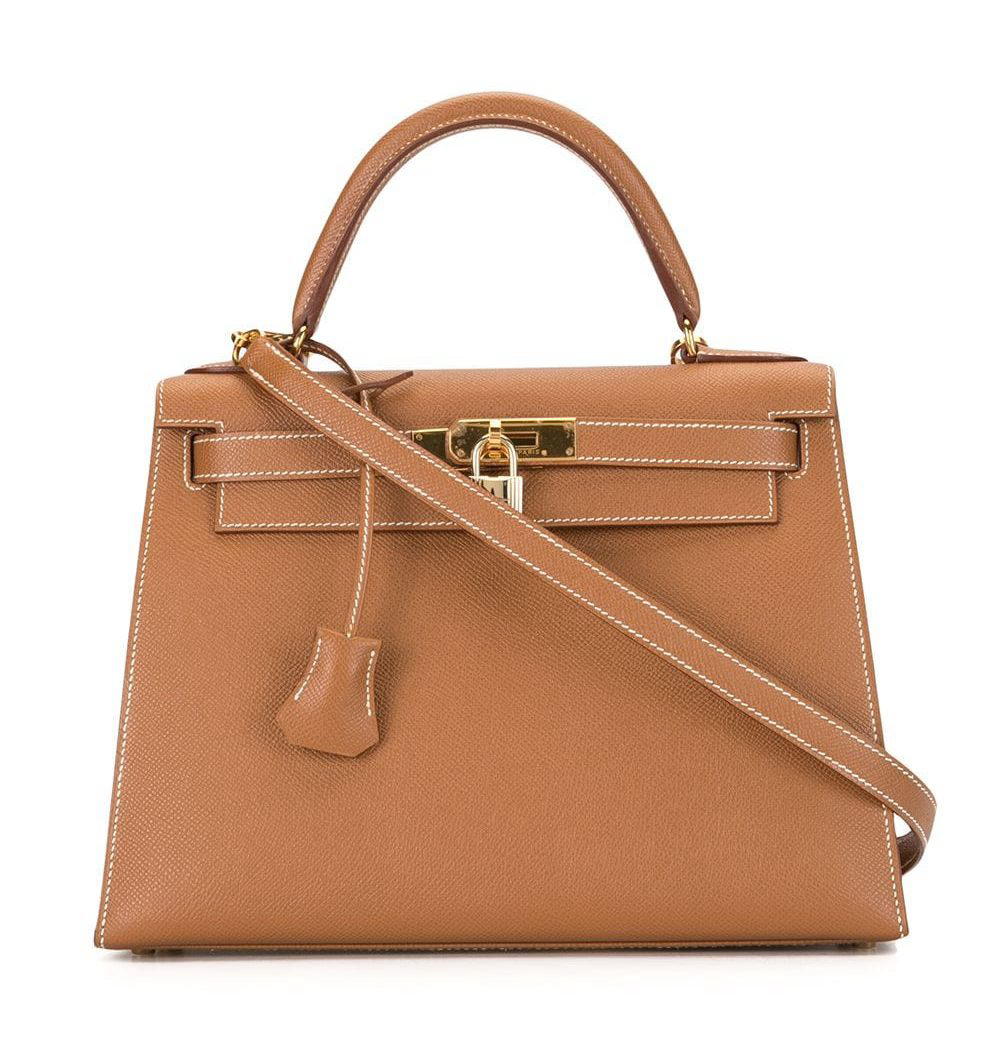
The correlations between the MSCI World Index, S&P Global Luxury Index Total Return, COMEX Gold Futures, and Bitcoin, as well as three benchmark indices of Hermès handbags—Kirkin, Kelly, and Constance—are assessed in this section. In order to investigate the direct correlation between secondary market handbag valuations and the manufacturing company's corporate performance, the Hermès International stock (Euronext Paris) is also included.
High-end handbags appear to be relatively immune to macroeconomic and capital market forces, as evidenced by the statistically weak correlations between Hermès handbag indices and traditional financial market benchmarks. With weak positive correlations to both Bitcoin (0.242) and Gold (0.234), the Birkin index exhibits the most distinctive behavior among the three models. These numbers suggest a slight but significant behavioral similarity to other assets viewed as stores of value, especially in periods of speculative asset inflation or monetary devaluation.
The Kelly index, on the other hand, offers a more complex profile. Its valuation patterns may deviate even from the luxury sector as a whole, as evidenced by its weak correlation with the MSCI World Index (0.183) and negative correlation with the S&P Luxury Index (-0.123). With the exception of a weak negative correlation to gold (-0.130), the Constance index maintains near-zero to slightly positive correlations across all variables, further solidifying its status as a collectible asset caused by model-specific factors rather than external macro or market-wide dynamics.
Interestingly, there is very little correlation between the performance of Hermès' public stock and any of the three handbag indices. The Birkin index correlates at 0.029, Kelly at 0.089, and Constance at 0.060, confirming that the brand's financial performance and creation of shareholder value do not provide a meaningful explanation for secondary-market pricing. This ongoing disconnect is crucial because Hermès' equity returns do not forecast how its flagship models will perform in the resale market, despite having strict production controls and strong brand control.
It is evident that the Hermès handbag market functions as a decorrelated and independent collectible asset class, largely independent of both financial market developments and the company metrics of its producer. Because of their structural independence, luxury handbags are excellent diversification tools that are especially useful for alternative investment strategies that emphasize non-correlated return sources.
A growing narrative of handbags as material, luxury hedges may be reflected in the Birkin's weak association with gold and Bitcoin, although this trend varies among models. This emphasizes how crucial it is to choose specific assets within the handbag category. The result is a world where conventional valuation logic is superseded by aesthetic value, cultural symbolism, model-specific desirability, and fashion zeitgeist.
In the end, the data support the idea that luxury handbags, particularly Hermès's, are culturally anchored, non-financial micro-assets that are perfect for investors and collectors looking to protect themselves from traditional beta exposure and market volatility.
4.2.1.5 Diamonds
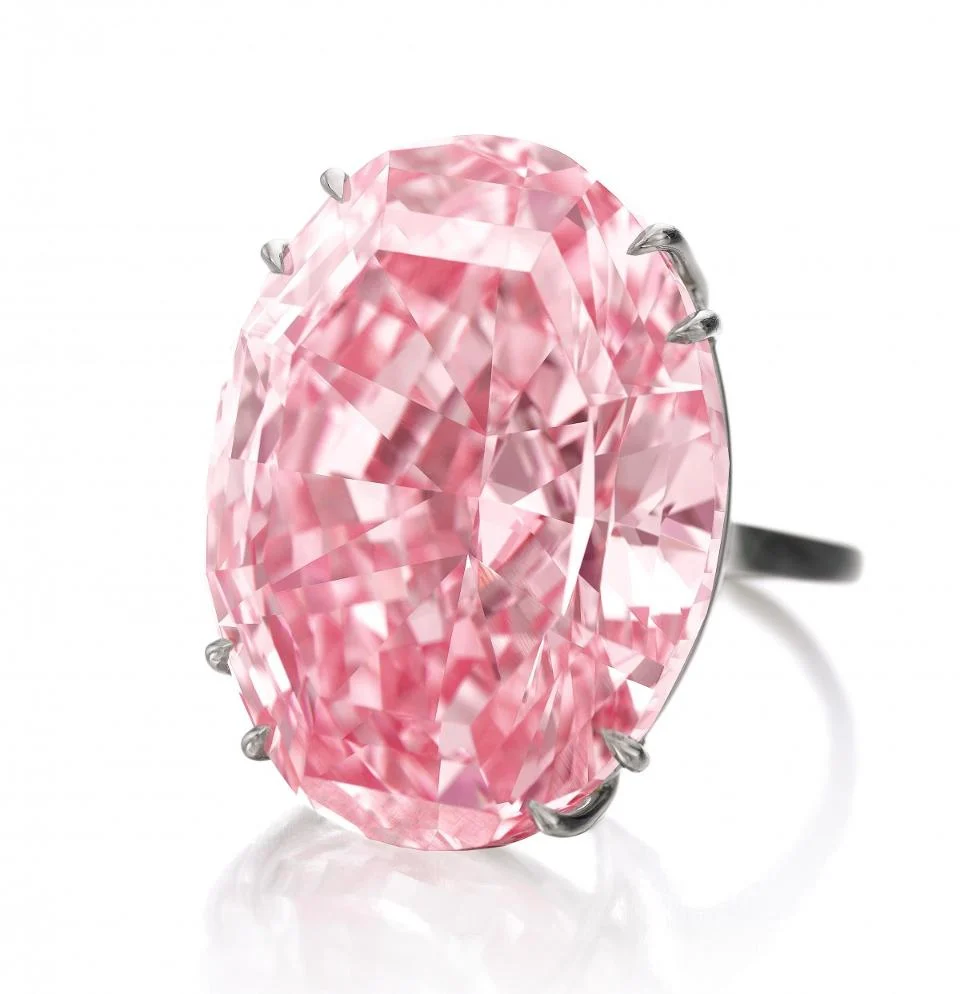
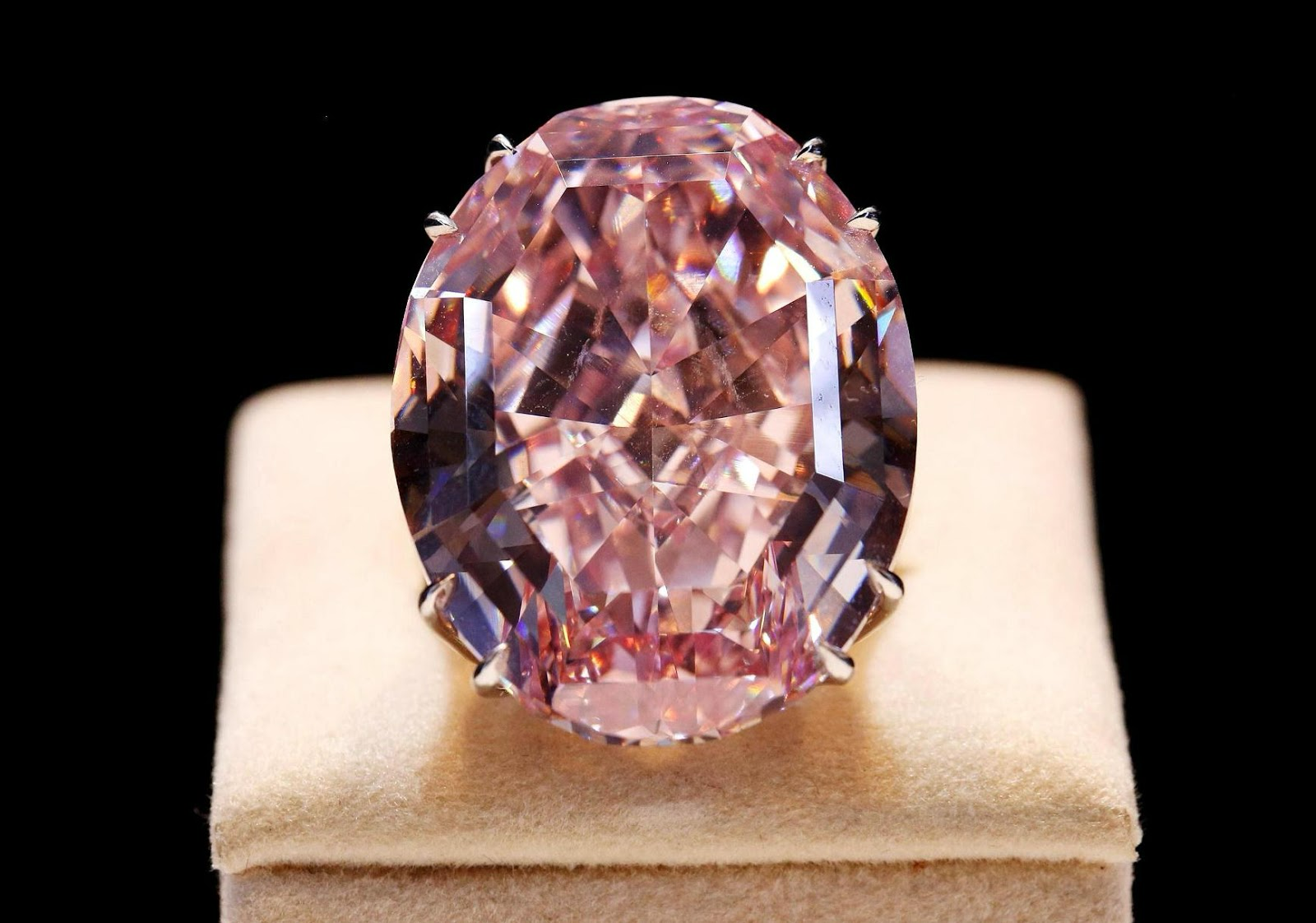
This section assesses the correlation between a set of financial market indicators and corporate equities related to the luxury sector and the IDEX Diamond Index, a benchmark for polished diamond prices. Monthly return data is used in the dataset. The MSCI World Index, S&P Global Luxury Index Total Return, COMEX Gold Futures, and Bitcoin are examples of benchmarks. Furthermore, the analysis incorporates equity data for three pertinent corporate entities with differing levels of involvement in the diamond and jewelry trade: Richemont, Signet Jewelers Limited, and LVMH (Euronext Paris).
The IDEX Diamond Index's status as a financially independent asset class is confirmed by the statistically insignificant correlations it shows with all tested benchmarks and corporate equities. According to the conventional Pearson interpretation, all coefficients stay below ±0.08, which is well within the "no correlation" range.
When it comes to financial markets, polished diamonds have almost no correlation with sentiment in the luxury sector (S&P Global Luxury: -0.023) or global equities (MSCI World: 0.045). Likewise, there is no proof that diamonds act as speculative alternatives or inflation hedges; their correlation with COMEX Gold is -0.070, while their correlation with Bitcoin is 0.050. These values run counter to conventional wisdom that portrays diamonds as defensive or contrarian assets, along with gold or cryptocurrency.
Correlations with major jewelry and luxury groups are still weak from a corporate perspective. Signet Jewelers, one of the biggest diamond retailers in the world, is virtually uncorrelated (-0.011), whereas LVMH, which owns diamond-heavy brands like Bulgari, only exhibits a weak correlation (0.076). This also holds true for Richemont (0.044), even though it owns luxury labels like Cartier. These findings imply that firms' share prices fluctuate independently of the underlying stone market, even when they generate sizable profits from the sale of diamonds.
This discrepancy most likely stems from the diamond market's structural characteristics, which include low liquidity, opaque pricing, and peculiar demand, especially from the bridal, ceremonial, and high-end custom segments. Furthermore, the market may be shifting away from traditional financial behavior due to factors like lab-grown diamonds and shifting generational preferences.
According to the IDEX Diamond Index, diamonds are a pure-play alternative asset that is unaffected by corporate performance, macroeconomic trends, or conventional hedging strategies. For investors who want exposure to assets motivated by cultural, emotional, and symbolic value rather than financial or monetary fundamentals, this makes them an excellent choice for non-correlated portfolio allocation.
Diamonds may play specialized roles in estate planning, legacy portfolios, or private wealth preservation strategies, but institutional adoption may be constrained by valuation opacity and illiquidity. By simply separating themselves from systemic risk, rather than by utilizing inverse market dynamics, their low-beta behavior strengthens their strategic use as a hedge against it.
In the end, intangible attributes like love, prestige, and tradition have a greater influence on the investment profile of diamonds than supply chains or corporate profits. In a world where diversification outside of the spreadsheet is becoming more and more sought after, this makes them not only non-correlated but also non-financially coded assets.
4.2.1.6 Classic cars
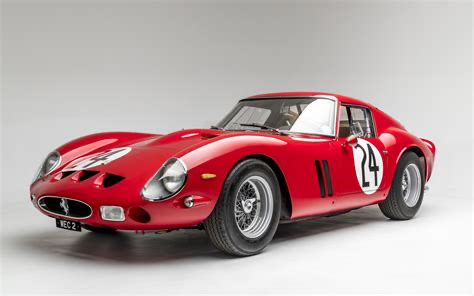
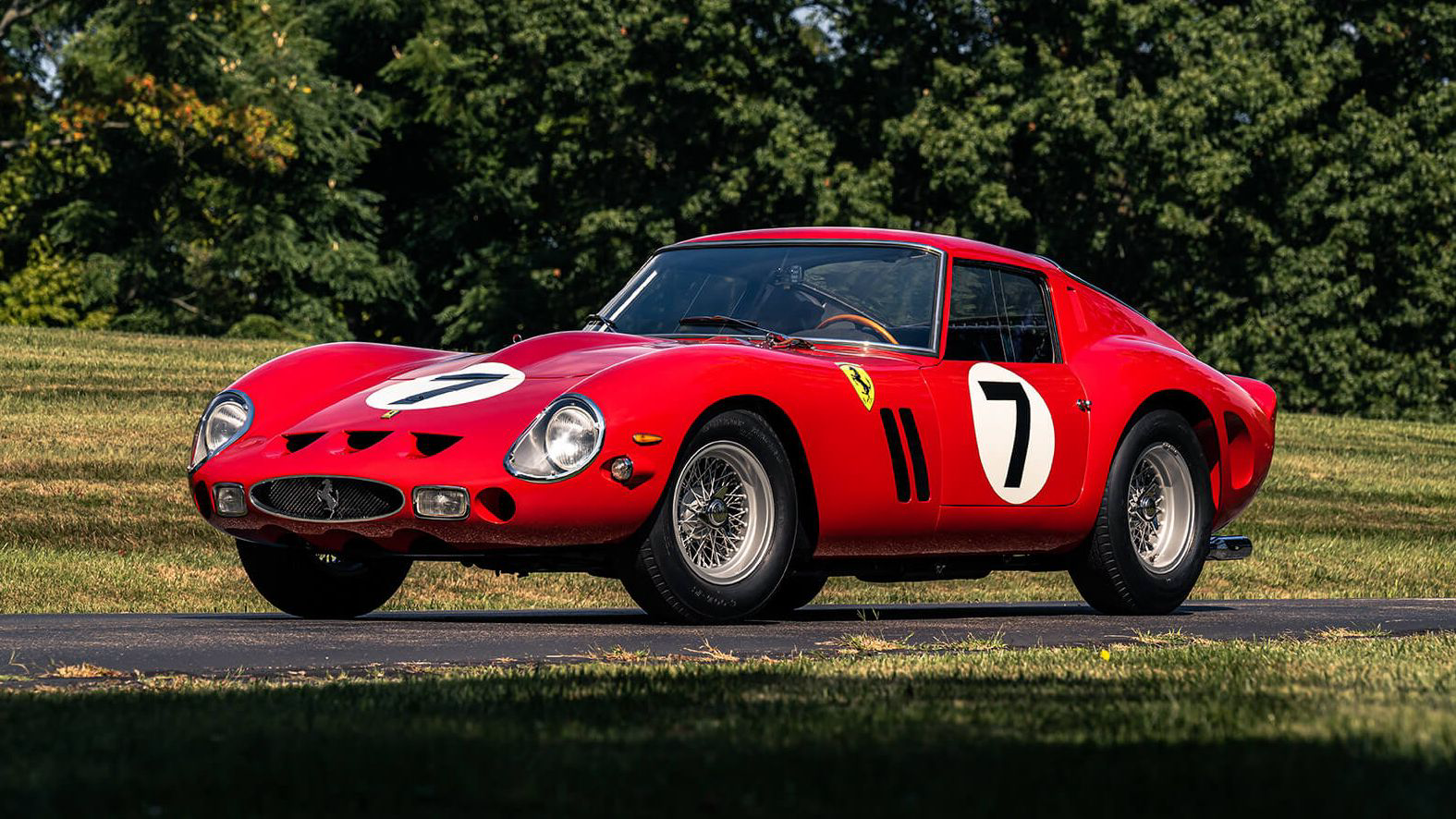
From October 2015 to June 2025, this section examines the relationships between a number of classic car market indices and significant financial benchmarks, such as global equity indices, gold futures, and Bitcoin (based on data from Aston Martin from October 2018). The K500 Ferrari Indices (pre-1958, 1958–1973, and post-1973), the K500 Porsche Index, the Pricing Culture Porsche Index, and the Pricing Culture Aston Martin Index are among the indices. To evaluate collectible-manufacturer alignment, corresponding publicly traded manufacturers are included: Ferrari (RACE), Porsche Holding SE (PAH3.DE), and Aston Martin Lagonda (AML.L).
The stocks of their respective manufacturers and financial benchmarks are not statistically related to classic car indices. Nearly zero or even slightly negative correlations exist between Ferrari's collectible indices, which span various eras, and the stock of Ferrari N.V. The 1958–1973 Ferrari segment's highest recorded coefficient (0.120) is still within the "no correlation" range, indicating that collector-specific factors rather than public market performance drive secondary market pricing for these cars. Potential inverse movements between corporate performance and vintage car valuations are indicated by the negative correlation (-0.078) between the Pre-1958 Ferrari index and Ferrari stock and the even stronger negative correlation (-0.079) between the Post-1973 index and Ferrari stock. Porsche exhibits a comparable pattern of separation between corporate equity and collectible assets. The K500 Porsche and Pricing Culture Porsche indices both have weak or insignificant correlations with Porsche Holding SE; the K500 Porsche index has a slight positive correlation of 0.086, while the Pricing Culture Porsche Index has a negative correlation of -0.120. The asset class's independence from larger financial market forces is further supported by correlations with macro benchmarks (MSCI World, S&P Luxury Index, Gold, and Bitcoin) that remain firmly within the no-correlation threshold.
The data from Aston Martin shows the most notable exception. The Pricing Culture Aston Martin Index shows moderately positive correlations with both the S&P Global Luxury Index (0.211) and its parent company AML.L (0.216). This suggests that the secondary market for Aston Martin vehicles may be more reflective of corporate strategic repositioning or broader brand reputation shifts than other marques. Even these readings, though, are below the threshold for a strong correlation. Although the MSCI World correlation is getting close to the weak positive correlation threshold, relationships with macro benchmarks such as MSCI World (0.146), Gold (0.043), and Bitcoin (0.015) are still statistically insignificant.
Vintage automobiles continue to be regarded as cultural assets that are highly unrelated. The information confirms that this category's valuation is mostly unrelated to systemic market forces or the financial performance of automakers. Rather, unique elements like rarity, cultural resonance, historical legacy, and collector fervor influence price. Ferrari collectibles and Ferrari stock have largely negative correlations, which suggests that corporate success may not translate into vintage appreciation. In fact, it may have the opposite effect, with corporate focus on modern production potentially diluting attention to heritage models.
This offers investors a strong chance to diversify their holdings. Classic cars are slow-moving, uncorrelated, real assets that are perfect for long-term allocation, especially in portfolios that aim to protect against correlation shocks or market cycles. Aston Martin's minor exceptions serve as further evidence of how brand revival narratives can introduce partial alignment by providing a nuanced compromise between financial market sentiment and passion asset independence. The negative correlations found in a number of Ferrari indices imply that, in times of robust corporate performance in the automotive industry, investing in vintage cars may offer counter-cyclical advantages in addition to diversification.
4.2.1.7 Sneakers
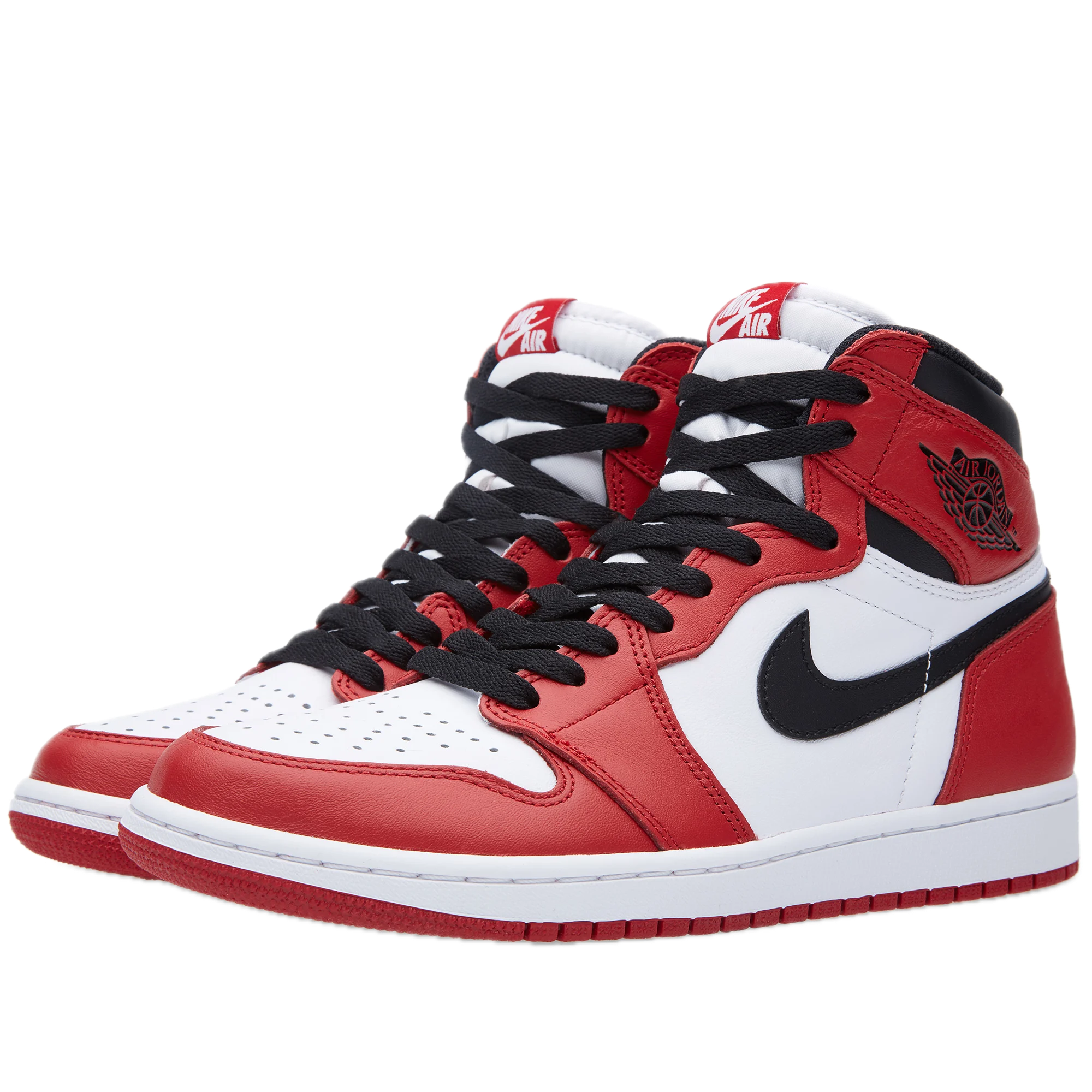
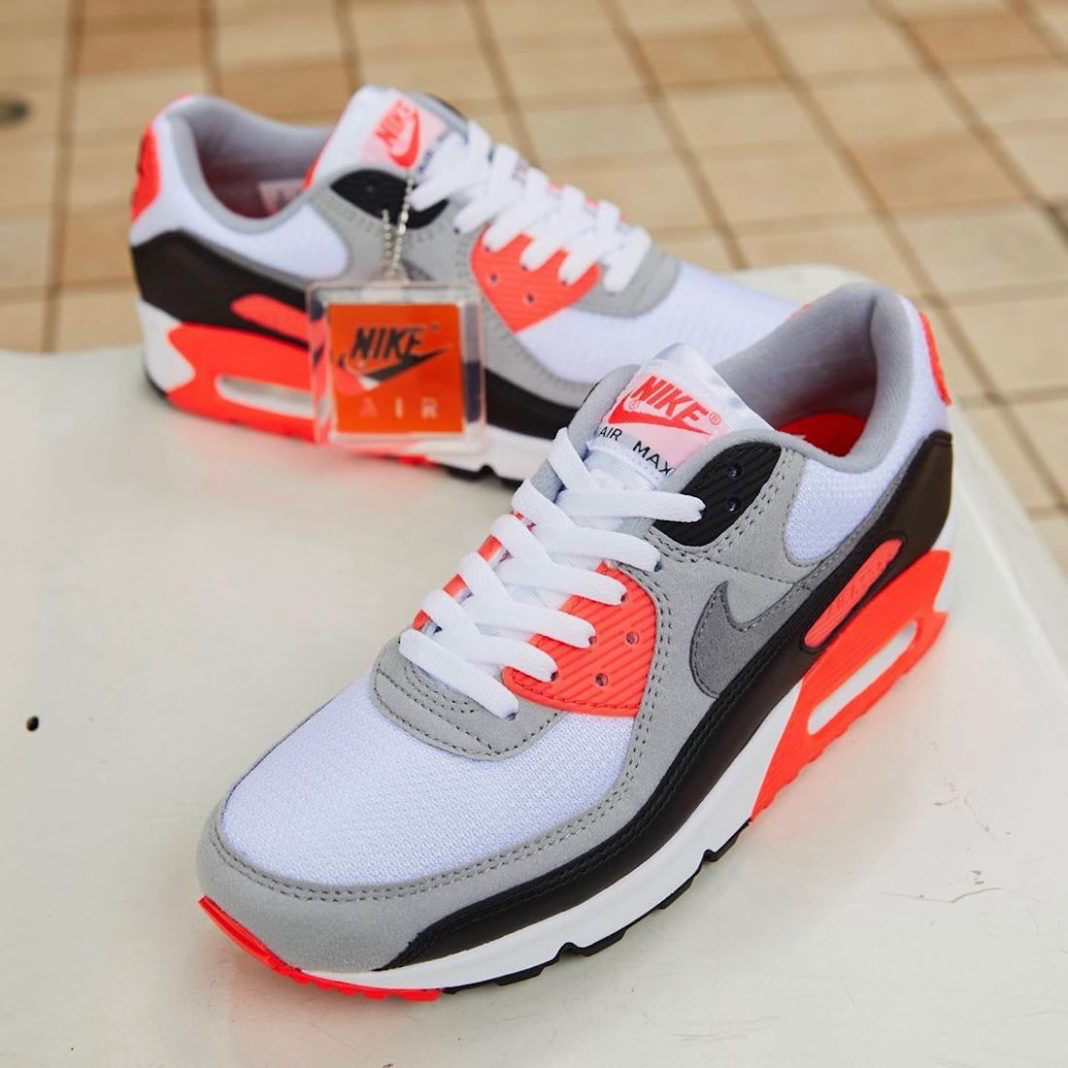
This section examines the relationship between a few chosen financial and corporate benchmarks and the CRWDSNKR Index, a measure of secondary-market sneaker resale prices. The sample period has monthly return intervals and runs from October 2015 to June 2025. The MSCI World Index, S&P Global Luxury Index Total Return, COMEX Gold Futures, and Bitcoin are examples of reference indicators. In order to evaluate alignment with the leading corporate actor in the sneaker market, especially in the collectible and limited-edition domain, the Nike stock price is also included.
The CRWDSNKR Index is statistically independent of its most significant corporate issuer as well as financial markets. The "no correlation" threshold (±0.00 to ±0.19) is reached by all five correlation values, suggesting that there is no significant association with either company-specific or macroeconomic drivers.
The strongest correlation, albeit statistically weak, is with gold (-0.284). This is different from traditional luxury collectibles, such as vintage cars or handbags, which sometimes have a weak correlation with gold as an inflation hedge. Conversely, the way sneakers behave is not affected by the cycles of commodities. Furthermore, there is no discernible co-movement between MSCI World (-0.217) and Bitcoin (-0.095), casting doubt on the notion that sneaker markets mirror the performance of broader stocks or speculative digital assets.
Given Nike's pivotal role in the sneaker ecosystem, the lack of alignment with their stock (-0.140) is particularly noteworthy. This implies that factors such as limited releases, cultural significance, resale hype, and influencer-driven momentum, which are mainly unrelated to corporate profits, control the secondary sneaker market.
Although there is some overlap in branding strategy and exclusivity marketing approaches, the slight positive correlation with the S&P Global Luxury Index (0.054) does not suggest any significant behavior commonality with high-end luxury goods.
The market-independent and culturally-driven nature of the collectible sneaker segment is confirmed. A self-contained market characterized by community-based value systems, scarcity mechanics, and stylistic cachet rather than corporate performance or financial cycles is revealed by the lack of correlation with both Nike's public equity and macroindices.
Sneakers have special value as non-correlated portfolio diversifiers because of their autonomy, which makes them especially attractive to allocators looking to gain exposure to Gen Z cultural capital, streetwear-related trends, or urban consumption narratives. Sneaker collecting may offer portfolio exposure to generational wealth transfer and changing luxury consumption patterns that traditional financial instruments are unable to capture due to its demographic appeal. Moreover, the weak and directionally negative correlation with Nike's stock highlights the distinction between owning a company's equity and owning the cultural artifacts that fuel secondary-market enthusiasm, indicating that even dominant brand exposure does not produce mirrored market behavior. Celebrity endorsements, social media influence, and subcultural significance are some of the factors that drive the collectible nature of limited-edition sneakers as cultural assets rather than corporate proxies. These factors function independently from conventional business performance metrics
4.2.1.8 Art
This section looks at the relationship between the main financial and alternative asset classes and the Art Market Research Index, a thorough benchmark that tracks worldwide trends in fine art auction pricing. The analysis contrasts changes in art prices with the MSCI World Index, S&P Global Luxury Index Total Return, COMEX Gold Futures, and Bitcoin using monthly return data from June 2015 to June 2025. We can evaluate the relationships between the fine art market and digital assets, safe-haven commodities, the luxury market, and traditional stocks using this framework.
When compared to the financial and alternative asset classes under study, the fine art market consistently exhibits either no correlation or a weak negative correlation. The correlation with MSCI World (-0.139) demonstrates that art prices may fluctuate independently of general market sentiment rather than following the cycles of global equities. Art's standing as a low-beta asset class, shielded from the business cycle and geopolitical volatility that normally propel financial markets, is strengthened by this misalignment.
The correlation between fine art and the S&P Global Luxury Index (0.045) is practically zero, indicating that fine art functions according to different dynamics even within the larger luxury ecosystem. The pricing of artworks is largely determined by factors like artist reputation, exhibition exposure, auction house momentum, and collector demand, none of which consistently translate into changes in the stock prices of luxury conglomerates, in contrast to luxury goods, which frequently follow trends in consumer sentiment and discretionary spending.
Interestingly, there is a weak negative correlation (-0.254) between the art market and COMEX Gold Futures. Although gold and art are both frequently regarded as stores of value, the information presented here indicates that under specific market circumstances, their movements may differ. The fact that gold responds to inflation expectations and financial uncertainty while art is influenced by longer-term cultural capital, ultra-high net worth individuals' wealth preservation strategies, and supply constraints brought on by artist lifecycles may be a reflection of different investor psychology.
The sharp contrast between fine art and cryptocurrency assets is further highlighted by the correlation with Bitcoin (-0.164), which stays within the no-correlation zone. Art does not have the extreme volatility, digital liquidity, or sentiment-driven behavior of cryptocurrencies, even though both are non-income-generating and have occasionally been labeled as speculative. Art may even act as a partial counterweight in diversified portfolios that contain digital assets, as the lack of co-movement implies that it is not subject to the same boom-bust cycles.
This analysis shows that art is a statistically independent asset that is not correlated with alternative hedges or financial markets. Its independence emphasizes its value as a decorrelated store of value, which makes it especially appealing for long-term investors and wealth preservation plans. Although both assets may draw capital during uncertain times, their underlying drivers are essentially different, as indicated by their weak negative relationship with gold.
Fine art makes a strong argument for investors looking to gain exposure to cultural value, scarcity, and aesthetic capital as opposed to earnings growth or commodity cycles. Although there are still issues with illiquidity and valuation opacity, art pricing is a strong tool for building stable, alternative-tilted portfolios due to its decorrelation benefits and resilience to macro shocks. Though investors must balance these advantages against the sector's modest absolute returns during the studied period, the consistent negative correlations across multiple asset classes imply that art may serve as a potential hedge against specific market conditions in addition to being a diversifier.