
Understanding the Creative Industries
The Hermès Foundation: PEST Analysis 2023
A study conducted in collaboration with
Malmö University
Malmö, Sweden
Introduction
This research paper presents a comprehensive PEST analysis of The Hermès Foundation, examining the complex interplay of Political, Economic, Social, and Technological factors that shape its operations and future trajectory. Through this analytical framework, we investigate how these external and internal forces influence the Foundation's ability to fulfill its cultural mission while maintaining alignment with Hermès' corporate objectives. Our analysis particularly focuses on the Foundation's exhibition activities and cultural initiatives, as these represent the primary channels through which it engages with artists, audiences, and communities worldwide. By examining these factors in detail, this study aims to provide insights into the challenges and opportunities facing cultural foundations in the luxury sector, while offering specific recommendations for strategic development.
Established in 2008, The Hermès Foundation represents a significant extension of the prestigious Hermès brand's commitment to cultural and artistic excellence. Under the strategic leadership of Director Annick de Chaunac and President Olivier Fournier, the Foundation operates as an enterprise foundation wholly owned by Hermès, seamlessly integrating with the heritage and values of its parent company. This relationship is particularly noteworthy given Hermès' distinguished history as a family-owned and independent French luxury brand, which dates back to its founding in 1837. The Foundation's activities are intrinsically linked to Hermès' general performance and corporate philosophy, reflecting the private nature of both institutions and their shared commitment to excellence. This unique organizational structure allows the Foundation to maintain the high standards and distinctive character associated with the Hermès name while pursuing its own cultural and artistic initiatives.
The Hermès Foundation has established itself as a pivotal institution in the creative industry through its comprehensive approach to cultural engagement and artistic innovation. Its influence extends across multiple creative disciplines, with the Foundation actively leading and participating in diverse projects encompassing biodiversity, craftsmanship, design, performing arts, photography, solidarity, and visual arts. This multifaceted engagement is physically manifested through an impressive network of exhibition spaces and cultural venues housed within Hermès' own buildings across major global cities. The Foundation maintains permanent artistic spaces in several key locations: "La Verrière" in Brussels serves as a dynamic platform for contemporary art, "Atelier Hermès" in Seoul showcases emerging and established artists, "La Grande Place" in France celebrates cultural heritage, and "Le Forum" in Tokyo provides a striking venue for artistic expression in the heart of the city's Ginza district. Beyond these permanent locations, the Foundation has extended its cultural influence through various initiatives and collaborations across an international spectrum, including significant activities in the United States, Greece, Morocco, the United Kingdom, Singapore, and Senegal. This global presence enables the Foundation to foster cross-cultural dialogue and support artistic innovation on an international scale.
The methodology employed in this analysis combines quantitative data analysis with qualitative assessment of institutional practices and market trends. Our research draws upon a diverse range of sources, including corporate documentation, industry reports, cultural sector analyses, and economic indicators. Through this methodological approach, we examine both the immediate operational environment and broader cultural ecosystem within which the Foundation operates. The findings of this study not only illuminate the specific challenges and opportunities facing The Hermès Foundation but also contribute to the broader understanding of how corporate foundations can effectively navigate the increasingly complex landscape of global cultural philanthropy.
"The Race of a Hare"
Christian Bonnefoie, Seoul, 2023
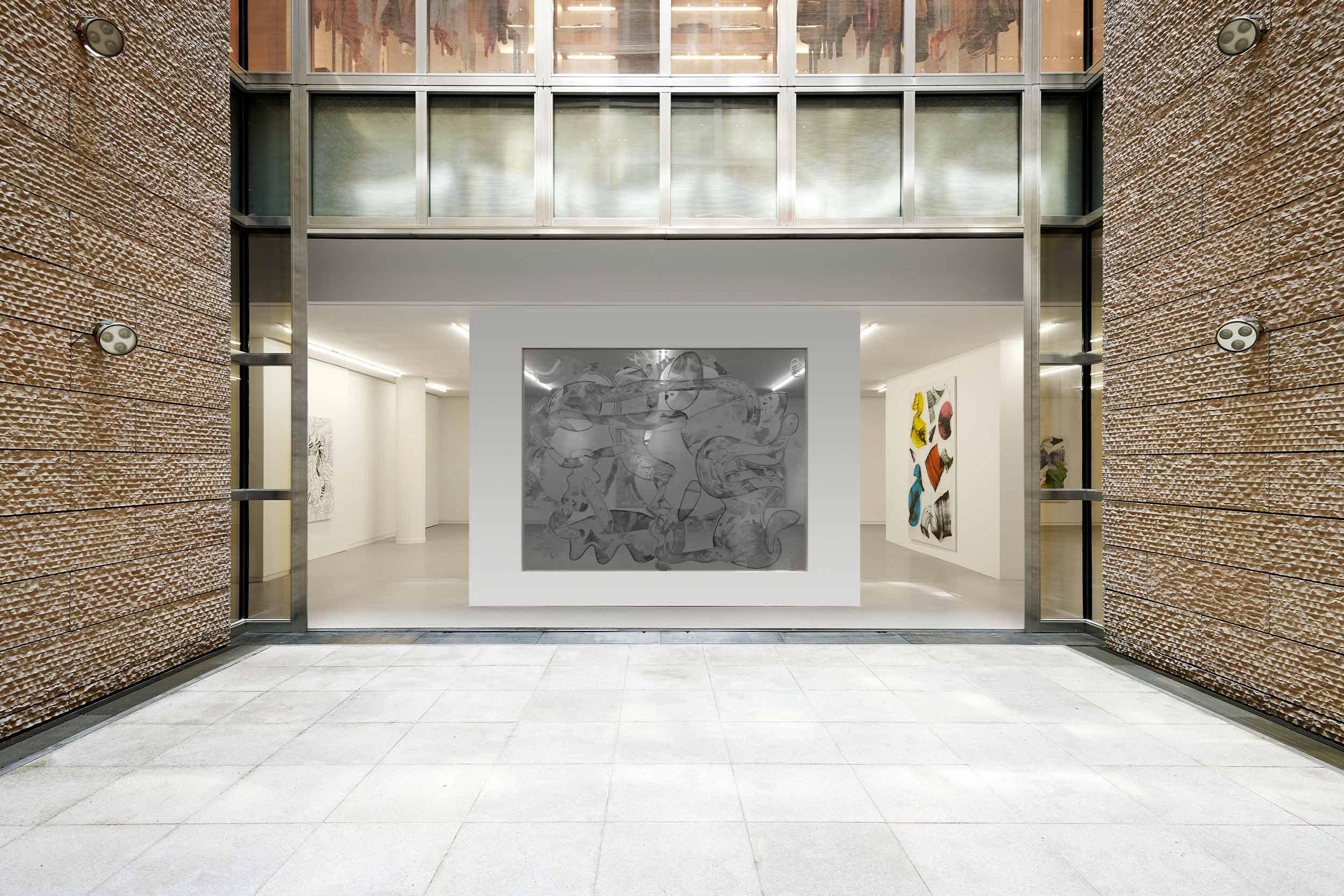
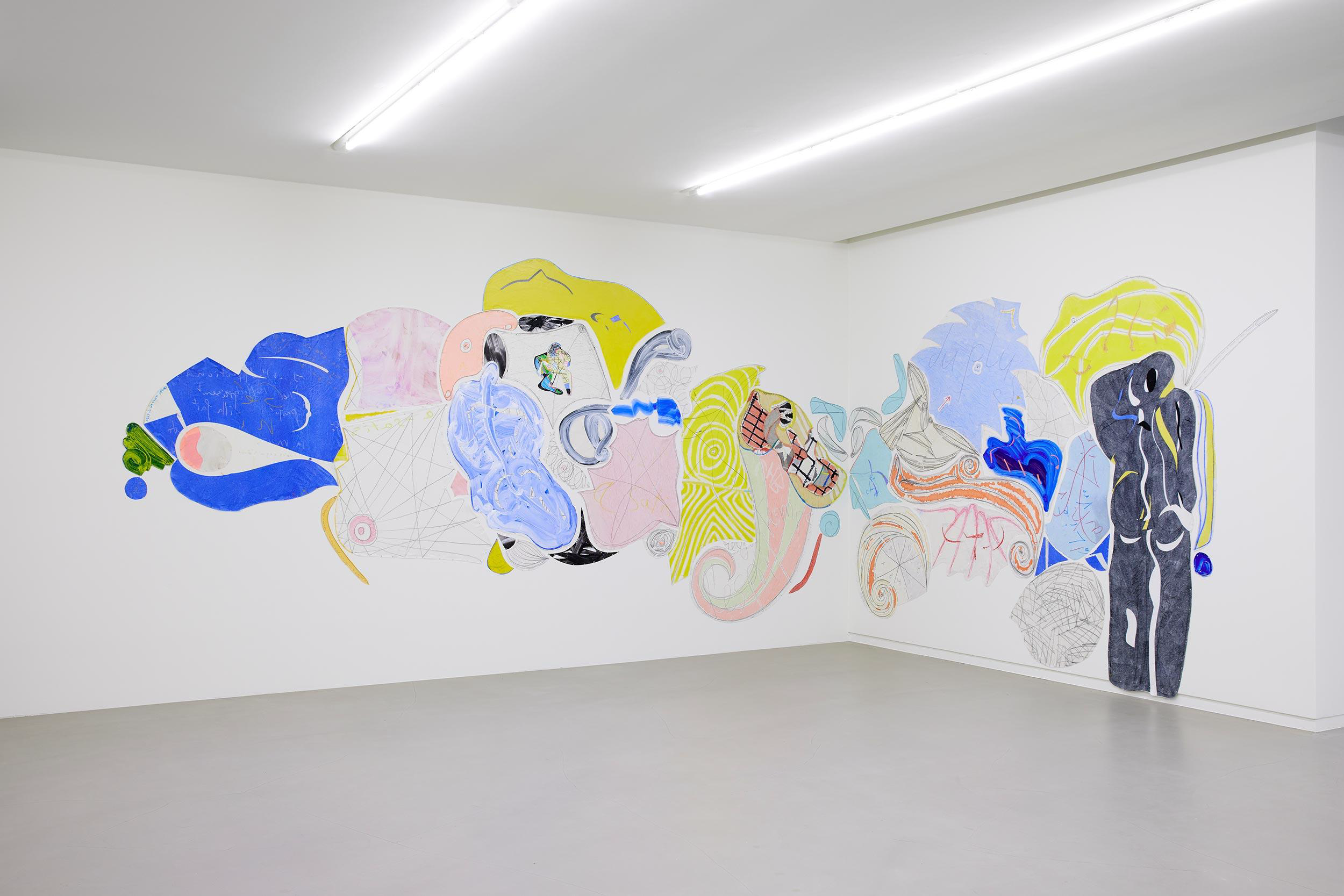
At the heart of the Maison Hermès in Seoul (Korea), Atelier Hermès is an exhibition space dedicated to new work by contemporary artists. Overseen by artistic director Soyeon Ahn, its programme foregrounds Korean contemporary art – in particular, exhibiting work by the laureates of the Hermès Foundation Missulsang – whilst offering counterpoints through invitations extended to artists from across the world.
Hermès Foundation Locations
"L'Hermès des possibles"
Denis HENIN, Athens, 2025


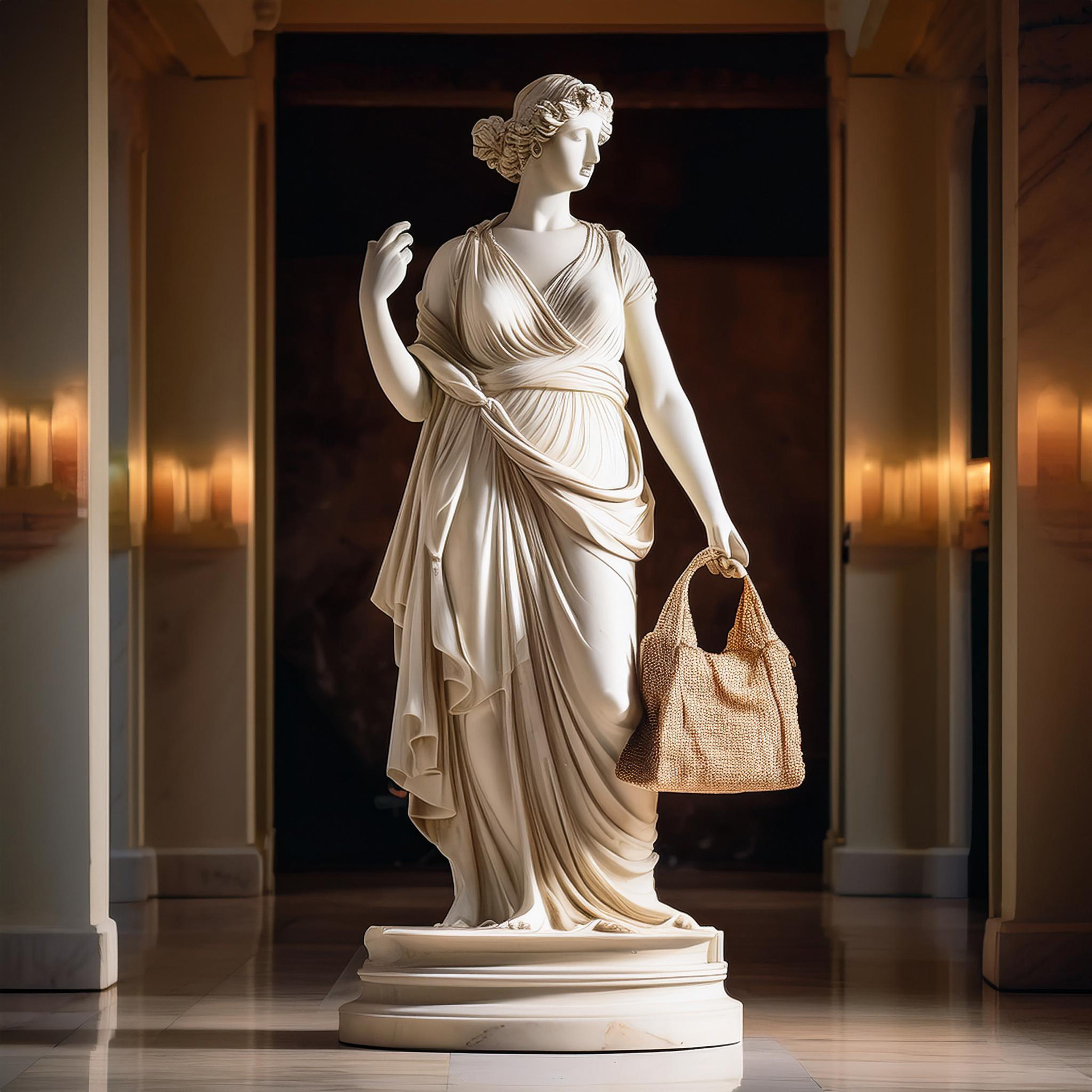
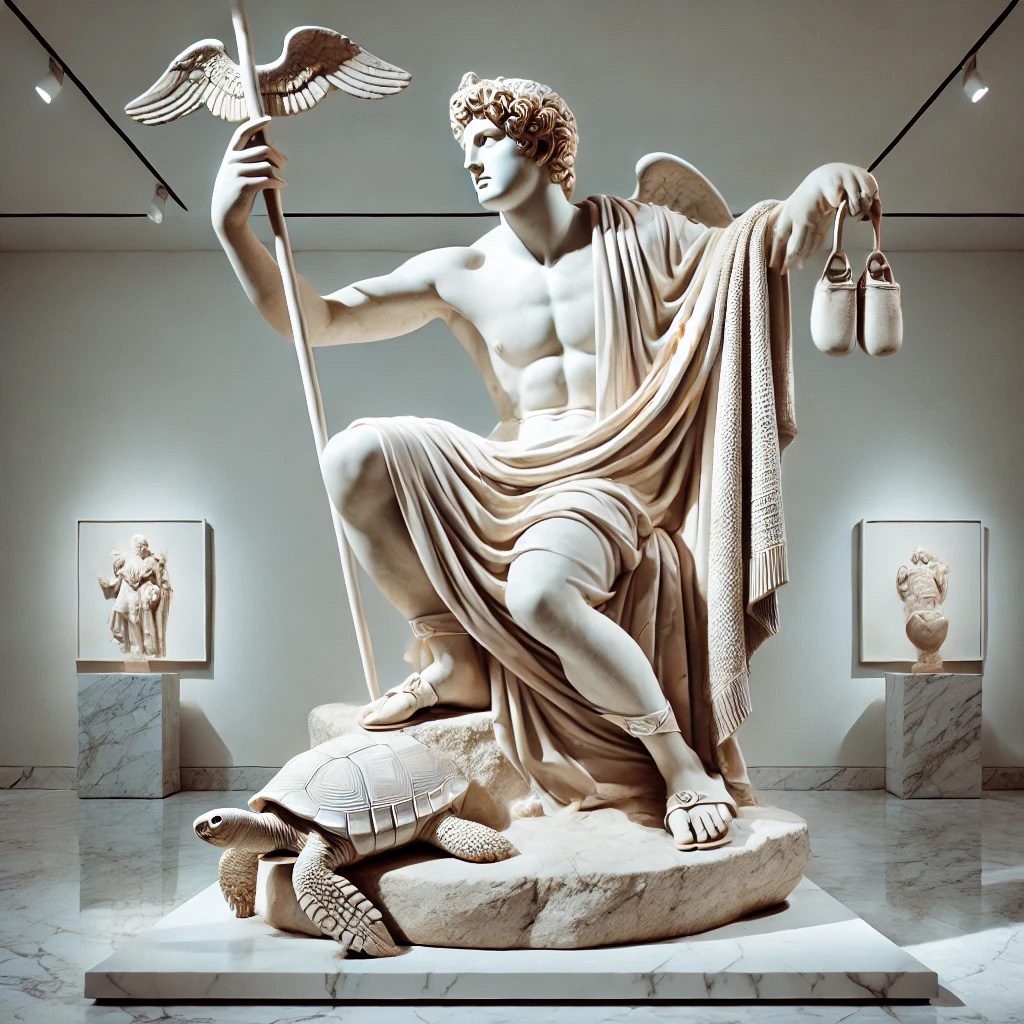
"L'Hermès des possibles" is a groundbreaking digital production that explores the intersection of creativity, technology, and cultural heritage. Imagined in Athens in 2025, this digital production represents a contemporary interpretation of Hermès' innovative spirit, pushing the boundaries of digital art and storytelling and western cultural heritage.
Analysis
Our research employs a focused PEST analysis methodology to examine The Hermès Foundation, specifically investigating how political, economic, social, and technological factors influence its exhibition activities and cultural initiatives. This analytical framework provides a structured approach to understanding both the internal dynamics and external forces that shape the Foundation's operations. While the Foundation engages in various cultural and philanthropic activities, our analysis primarily concentrates on its exhibition programs, as these represent the most visible and resource-intensive aspects of its cultural engagement. This focused approach allows us to develop deeper insights into the specific challenges and opportunities facing corporate art foundations in the contemporary cultural landscape.
Before delving into the detailed PEST analysis, it is crucial to understand the strategic rationale behind an international luxury company's decision to establish and maintain a cultural foundation. In the case of The Hermès Foundation, this institutional framework serves multiple strategic objectives that extend beyond simple corporate philanthropy. The Foundation represents a sophisticated approach to cultural engagement, where the parent company's resources and influence are leveraged to create meaningful contributions to the arts while simultaneously strengthening the brand's position in the global luxury market. This dual-purpose approach allows Hermès to maintain its prestigious market position while fulfilling its commitment to cultural development and artistic innovation.
The Foundation's role in cultural engagement operates on multiple levels, creating a complex web of interactions between the corporate entity and the artistic community. Through its various exhibition spaces and cultural initiatives, The Foundation provides sophisticated platforms for engagement with contemporary art and culture, facilitating dialogue between artists, audiences, and institutions. This engagement extends beyond mere sponsorship to create meaningful partnerships that enrich local communities through carefully curated art initiatives. The Foundation's presence in various international locations allows Hermès to contribute to the cultural fabric of diverse communities, fostering artistic innovation while strengthening the brand's global cultural presence. This approach demonstrates how corporate philanthropy can evolve beyond traditional patronage to become an active force in cultural development and community enrichment.
Beyond its primary cultural mission, The Foundation serves several strategic functions that benefit both the parent company and the broader cultural ecosystem. These multifaceted benefits include:
- Contribute to Hermès' enhancement and dedication to arts by associating the brand with contemporary artistic practices, critical social causes, and environmental sustainability initiatives. This alignment helps position Hermès as a forward-thinking luxury brand that recognizes its responsibility to address pressing global challenges through cultural engagement and artistic innovation.
- Foster Hermès employees' engagement through meaningful philanthropic initiatives, creating opportunities for staff to connect with cultural projects and developing a stronger sense of corporate citizenship. This internal engagement helps build a more cohesive corporate culture while demonstrating the company's commitment to social responsibility.
- Facilitate sophisticated networking and partnership opportunities with leading cultural institutions, contemporary artists, prestigious galleries, and other significant players in the global art world. These relationships create valuable collaborative opportunities that enhance both the Foundation's cultural impact and Hermès' brand positioning in the luxury market.
- Showcase Hermès' commitment to artistic innovation through strategic support of emerging artists and experimental projects that push creative boundaries. This approach not only contributes to the development of contemporary art but also reinforces the brand's association with cutting-edge creativity and cultural leadership.
"Bise"
La Verrière, Brussels, 2023
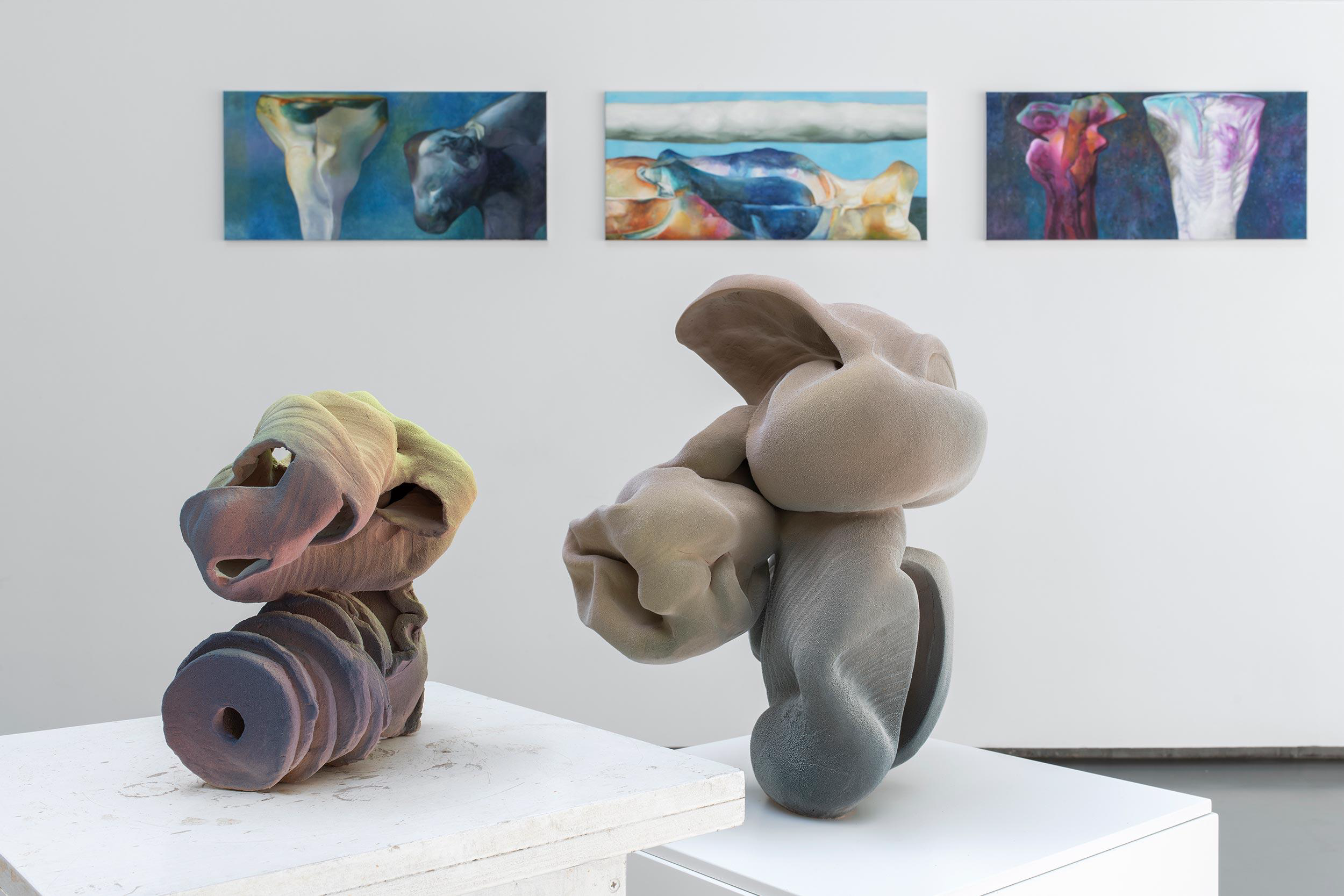
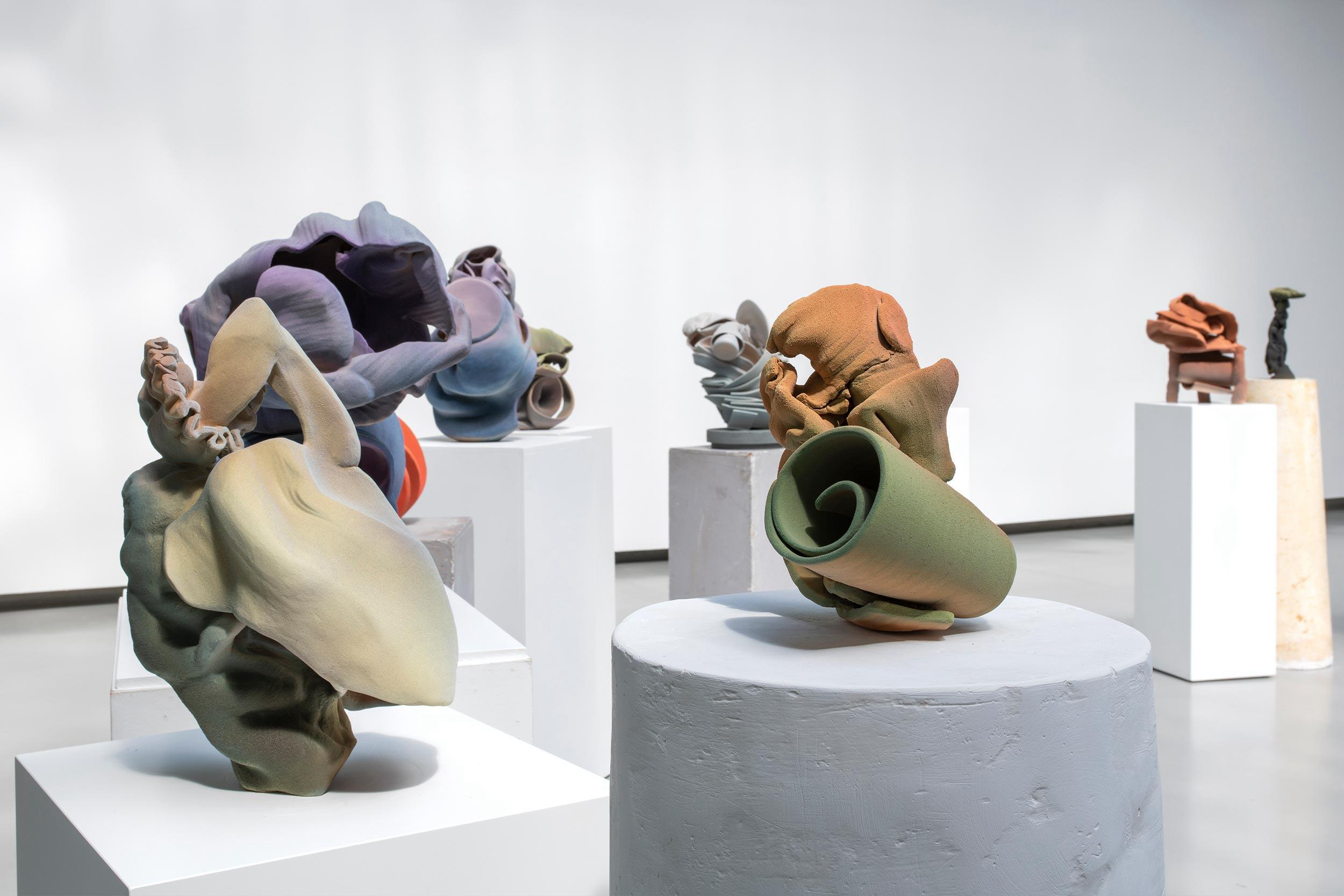
As the new curator of La Verrière, Joël Riff approaches the Brussels space as a focal point around which to gather, and a lens through which to gaze. Taking ways of experiencing matter as its point of departure, his exhibition programme combines visual, decorative and applied arts in the form of "augmented solos", in which the practice of each artist is seen as part of a community of gestures and creative affinities.
Political
Politics within Hermès and The Foundation: more control
The Hermès Foundation's position as an internal subsidiary of Hermès International creates a complex web of organizational dynamics that significantly influence its operations and decision-making processes. This structural relationship means that the Foundation's activities are deeply intertwined with Hermès' corporate governance framework, internal policies, and institutional values. The parent company's strategic decisions, corporate directives, and organizational priorities create a structured environment within which the Foundation must operate, ensuring alignment with Hermès' broader corporate objectives while pursuing its cultural mission. This internal political framework provides both advantages and constraints, as it offers institutional support and resources while requiring careful navigation of corporate expectations and requirements.
Hermès' comprehensive approach to corporate social responsibility, particularly its established positions on diversity, ethics, and social responsibility, plays a pivotal role in shaping the Foundation's artistic and cultural programming. These institutional values serve as guiding principles that influence everything from artist selection to exhibition curation. The company's well-defined CSR initiatives, which encompass environmental sustainability goals, ethical business practices, and community engagement programs, create a sophisticated framework that informs the Foundation's decision-making processes. This alignment extends beyond simple policy compliance to shape the very nature of the Foundation's cultural engagement, influencing how it approaches artistic collaboration, cultural preservation, and community development. The implementation of these corporate values through the Foundation's activities demonstrates how institutional policies can effectively translate into meaningful cultural initiatives that reflect both artistic excellence and social responsibility.
The political dynamics within the Hermès corporate structure also manifest through various operational channels that affect the Foundation's day-to-day activities and long-term strategic planning. Key considerations in this internal political landscape include:
- The Foundation's activities and partnerships must align with Hermès' broader strategic objectives while maintaining artistic integrity and cultural relevance. This requires careful balance between corporate expectations and cultural innovation.
- Artist selection processes are influenced by multiple factors, including alignment with corporate values, potential impact on brand reputation, and contribution to cultural dialogue. These decisions must consider both artistic merit and institutional compatibility.
Beyond these primary considerations, the Foundation must navigate additional political complexities that arise from its position within the Hermès corporate structure. These considerations reflect the broader implications of corporate governance on cultural initiatives:
- The Foundation's public image and activities are inherently linked to Hermès' brand identity and corporate reputation. Political decisions affecting the parent company's market position, brand strategy, or public perception can have direct implications for the Foundation's programming and partnerships.
- Hermès' extensive network of relationships with external institutions, including governmental bodies, business partners, and cultural organizations, creates both opportunities and obligations for the Foundation. These connections influence the scope and nature of potential collaborations, requiring careful consideration of institutional relationships and political alignments in program development and partnership decisions.
The internal political framework governing the Foundation's operations extends beyond formal policies to encompass unwritten rules, cultural norms, and institutional expectations that have evolved within the Hermès corporate environment. Understanding and effectively navigating these subtle political dynamics is crucial for maintaining the Foundation's ability to fulfill its cultural mission while serving the strategic interests of its parent company. This delicate balance requires continuous attention to both explicit corporate directives and implicit institutional expectations, ensuring that the Foundation's activities contribute positively to both cultural development and corporate objectives.
Politics between the world and The Foundation: less control
The Hermès Foundation operates within a complex external political environment where numerous factors beyond its direct control significantly influence its operations and strategic decisions. Unlike internal political dynamics, these external forces require adaptive strategies and careful navigation of changing regulatory landscapes, public sentiment, and governmental policies. The Foundation must maintain a delicate balance between pursuing its cultural mission and responding to evolving political realities across the multiple jurisdictions where it maintains a presence. This challenge is particularly acute given the Foundation's international scope and its connection to a prominent luxury brand, making it especially sensitive to changes in global political dynamics and regulatory frameworks.
Regulatory and Operational Challenges
The regulatory environment surrounding the Foundation's operations is multifaceted and constantly evolving, encompassing various legal frameworks that directly impact its activities. Intellectual property tax legislation presents particular challenges, as it affects both the Foundation's ability to manage its cultural assets and its financial structure. Labor laws across different jurisdictions create complex compliance requirements, especially given the Foundation's international presence and diverse workforce. Additionally, the evolving nature of nonprofit regulations requires constant vigilance and adaptation, as changes in these frameworks can significantly impact operational capabilities and strategic planning. The Foundation must maintain sophisticated compliance mechanisms while anticipating potential regulatory changes that could affect its future operations.
- Complex intellectual property tax legislation impacts the Foundation's ability to manage and protect its cultural assets, requiring careful consideration of international tax implications and property rights management
- Labor law compliance across multiple jurisdictions necessitates sophisticated human resource management systems and careful attention to local employment regulations
- Evolving nonprofit regulations demand continuous monitoring and adaptation of organizational policies and procedures to maintain compliance while fulfilling cultural objectives
Public Perception and Political Discourse
The Foundation exists within a broader sociopolitical context where public opinion and political discourse can significantly influence its effectiveness and reputation. In an era of increased scrutiny of corporate philanthropy and cultural institutions, the Foundation must carefully navigate complex political landscapes while maintaining its artistic integrity and cultural mission. Political positions or actions taken by Foundation leadership, whether intentional or perceived, can have far-reaching implications for the organization's relationships with stakeholders and its ability to fulfill its cultural mission. This dynamic environment requires sophisticated reputation management strategies and careful consideration of how the Foundation's activities might be interpreted within different political contexts.
- Organizational reputation requires careful management across diverse political and cultural contexts, considering both local and global implications of Foundation activities
- Donor support and relationships must be maintained while navigating complex political landscapes and evolving public expectations of cultural philanthropy
- Public trust must be cultivated through transparent operations and meaningful engagement with communities, while remaining sensitive to varying political perspectives
Artistic Freedom and Censorship
The Foundation navigates particularly complex terrain in its role as a supporter and presenter of contemporary art. The intersection of artistic expression and political sensitivity creates unique challenges that require careful balance between creative freedom and institutional responsibility. As a global cultural organization, the Foundation must consider varying international standards and cultural norms regarding artistic expression while maintaining its commitment to artistic innovation and cultural dialogue. This balancing act becomes especially challenging when dealing with politically charged or controversial artworks that may attract public scrutiny or legal challenges in different jurisdictions.
- Artists' freedom of expression must be protected while considering potential political and social implications across diverse cultural contexts
- Legal and political challenges surrounding controversial artworks require sophisticated risk assessment and management strategies
- Navigation of sensitive artistic and political boundaries demands careful curatorial decision-making and stakeholder communication
Political Alignment and Support
The Foundation's operational success depends significantly on its ability to align its activities with broader political currents while maintaining its artistic integrity and cultural mission. This alignment requires careful consideration of changing political priorities and social movements across different regions, as well as the ability to adapt programming and initiatives accordingly. The Foundation must develop strategies that allow it to maintain its cultural objectives while responding to evolving political landscapes and public expectations of corporate philanthropy.
- Strategic alignment with current political priorities must be balanced against long-term cultural objectives and institutional values
- Adaptability to changing political landscapes requires sophisticated monitoring and response mechanisms
Government Influence on Cultural Initiatives
Government policies and regulations play a crucial role in shaping the environment within which the Foundation operates, affecting everything from funding mechanisms to program implementation. Cultural policy frameworks across different jurisdictions create a complex web of requirements and opportunities that the Foundation must navigate. These governmental influences extend beyond direct regulation to include broader cultural policies that affect artistic education, cultural preservation, and public access to the arts. The Foundation must maintain awareness of these various governmental influences while developing strategies to effectively pursue its cultural mission within established policy frameworks.
- Educational and cultural initiative regulations shape the Foundation's ability to develop and implement programs across different regions
- Artist and curator development programs must align with varying national standards and cultural policies
- Available talent pools are influenced by government policies on arts education and cultural development
- Diversity and inclusion initiatives must respond to both governmental requirements and evolving social expectations
"enamel and body/ceramics"
Le Forum, Tokyo, 2023
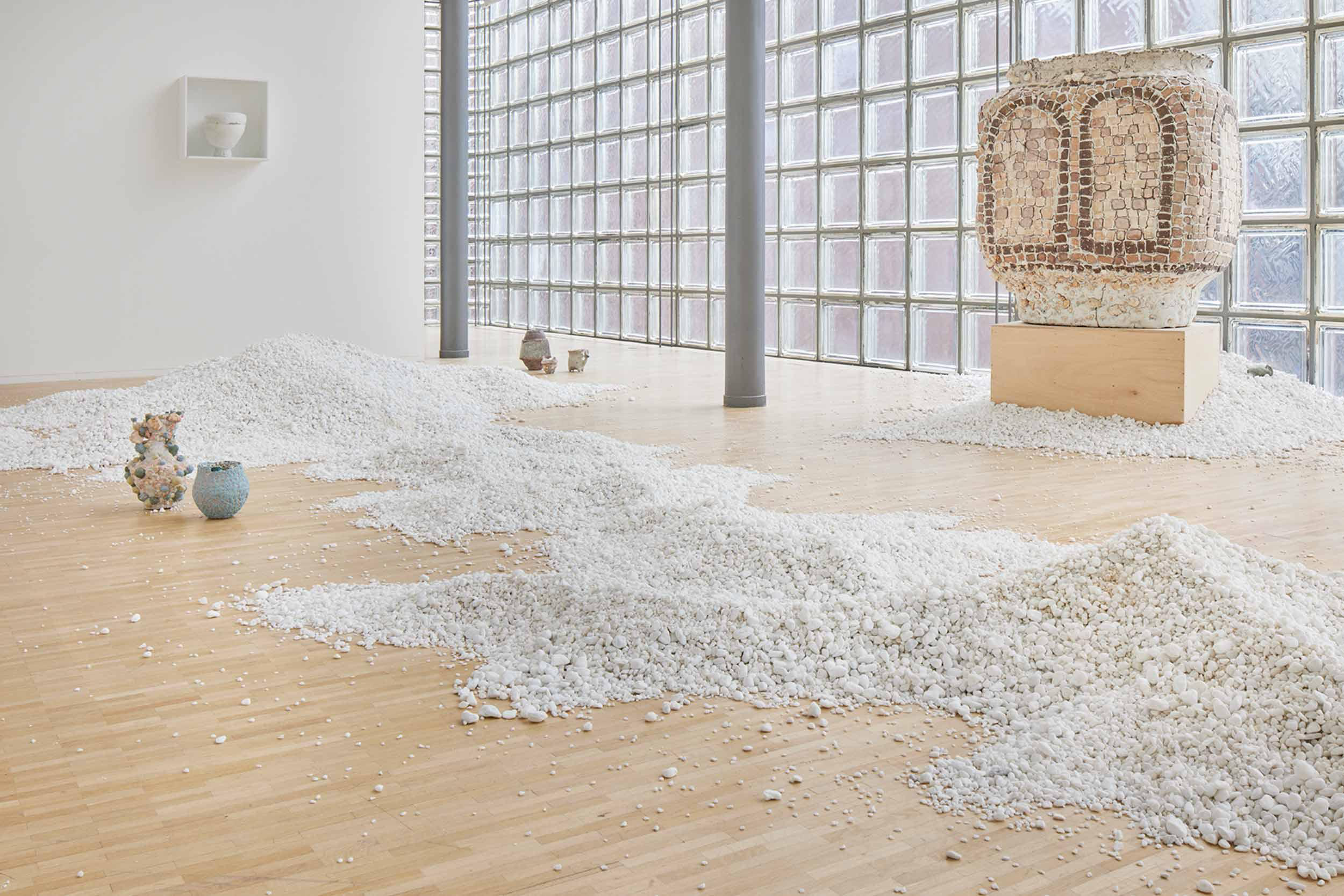
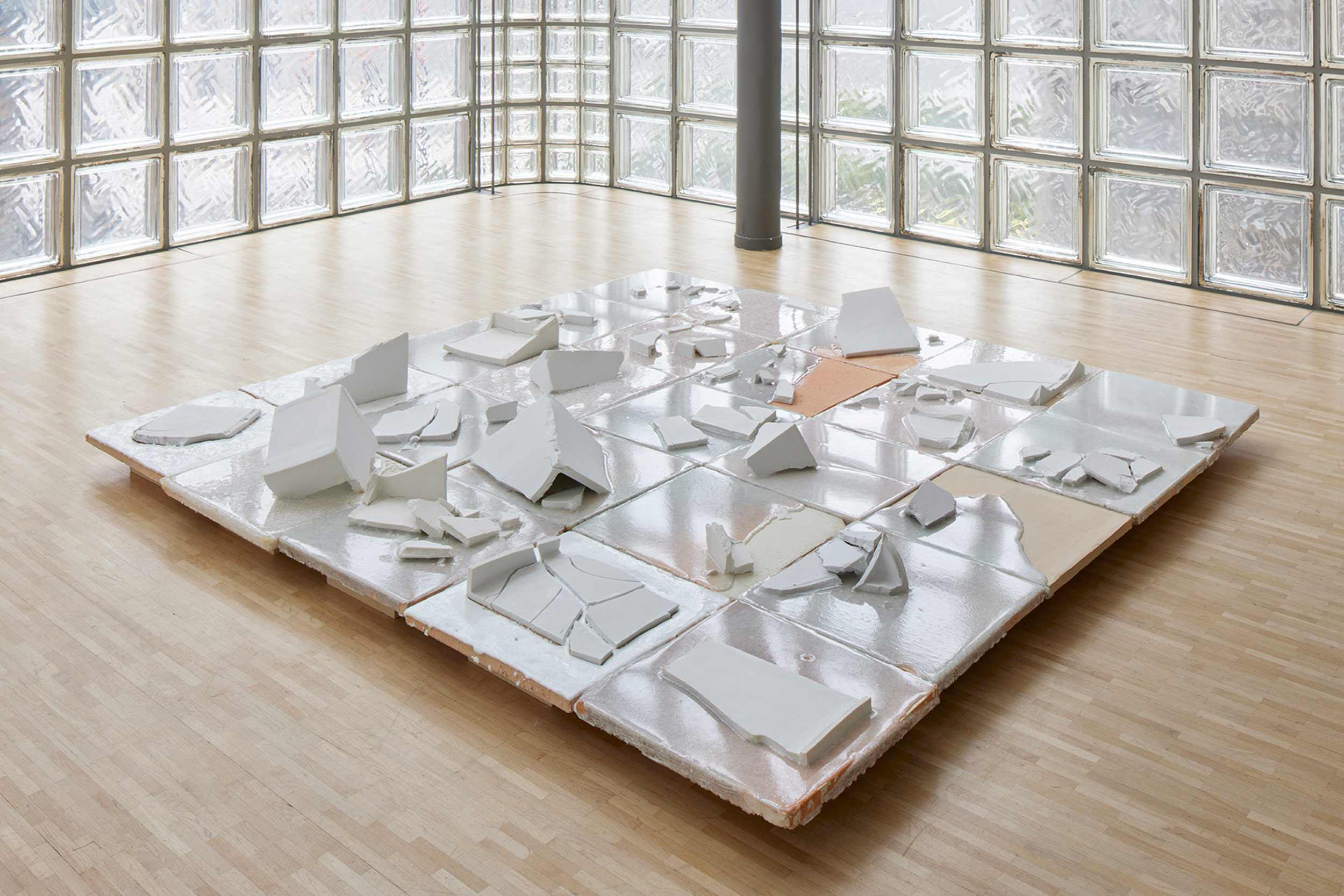
Le Forum is an exhibition space housed in a glass-brick building designed by Renzo Piano. Flooded with natural light that forms an integral part of its identity, it is an oasis of contemplation inviting visitors to discover contemporary art in the heart of Tokyo's dynamic Ginza neighbourhood. Directed by exhibition curator Reiko Setsuda, Le Forum offers an international programme bringing Japanese artists together with others from all over the world.
Economic
Economic between Hermès and The Foundation: more control
The budget and resources available to The Foundation are closely tied to the financial health and strategic goals of its parent company, Hermès. These resources are influenced by a variety of factors, including the broader economic climate, the company's profitability, and the amount of funding allocated to cultural and philanthropic projects. During its third mandate, spanning April 2018 to April 2023, The Foundation was allocated a significant budget of 35.8 million euros, not including competency sponsorship. This substantial investment underscores the importance Hermès places on supporting cultural and artistic endeavors through The Foundation.
In 2022, Hermès demonstrated exceptional financial performance, with consistent and robust growth in demand for its products across markets. This strong market position, coupled with effective management strategies, resulted in a notable increase in the company's net income. Such financial success not only reinforces Hermès’ reputation as a leading luxury brand but also provides a stable foundation for its various initiatives, including those undertaken by The Foundation.
As The Foundation operates as an integral part of Hermès' broader corporate social responsibility (CSR) efforts, its activities and priorities are inherently linked to the company’s economic conditions and strategic objectives. While Hermès’ financial health enables The Foundation to thrive, shifts in corporate focus or broader economic challenges could influence the scope and scale of its operations. This interplay between economic performance and corporate priorities highlights the dynamic relationship between Hermès and The Foundation, emphasizing the importance of aligning business success with social and cultural contributions.
Economic impacts from the world on The Foundation: less control
The Foundation operates within a global economic environment that can significantly influence its day-to-day functioning. Changes in fundamental economic factors, such as fluctuations in labor costs, utility prices, and rental expenses, can directly impact its operational budget. Additionally, rising inflation may exacerbate these challenges, making it more expensive to maintain the high standards expected of The Foundation’s initiatives and facilities.
Another critical area affected by economic shifts is the cost of insuring valuable artworks. As the prices of art and cultural artifacts rise, so too do the associated insurance premiums and coverage requirements. This creates an additional layer of financial complexity, especially when dealing with high-value exhibitions or loans of priceless pieces. Economic volatility, therefore, poses risks to maintaining adequate coverage for these valuable assets, potentially straining The Foundation's resources.
Broader economic conditions, whether characterized by growth, recession, or stagnation, also play a pivotal role in shaping The Foundation's financial capabilities. Periods of economic downturn may result in reduced funding or sponsorship opportunities, while times of prosperity could enhance its ability to attract resources and expand its offerings. Furthermore, these economic trends may influence the public demand for The Foundation’s services, such as exhibitions, programs, and cultural outreach, ultimately affecting its ability to fulfill its mission and maintain its impact on the cultural landscape.
To illustrate these economic dynamics, we've incorporated a comprehensive GDP forecast chart spanning from 2013 to 2023, focusing on key OECD countries where The Foundation maintains significant operations. This visualization helps contextualize the broader economic environment within which The Foundation operates. By analyzing GDP growth rates across multiple countries, we can better understand the varying economic conditions The Foundation must navigate in different regions. The data, sourced from OECD Quarterly GDP Growth reports, reveals notable variations in economic performance across different markets, highlighting the complex financial landscape The Foundation must consider in its strategic planning. These growth patterns directly influence factors such as funding availability, operational costs, and market opportunities across The Foundation's international network of cultural spaces and initiatives.
Real GDP Forecast (2013-2023)
Annual Growth Rate (%), Selected OECD Countries
Data source: OECD Quarterly GDP Growth
To better understand this tourism dependency, we've analyzed international tourism data from 2022 across key markets where The Foundation maintains its cultural spaces. The visualization presents both arrival and departure patterns, offering a comprehensive view of tourist mobility. The data reveals significant variations in tourism flows across different regions, with particular emphasis on cultural tourism hubs like Paris, Tokyo, and Seoul where The Foundation's spaces are located. This dual-chart approach helps illustrate both inbound tourism (arrivals) that directly affects visitor numbers to The Foundation's spaces, and outbound tourism (departures) which indicates the overall health of cultural exchange and mobility in these regions. The patterns demonstrate how tourist flows correlate with The Foundation's accessibility and potential audience reach, while also highlighting vulnerabilities to global mobility disruptions. This tourism data proves especially valuable for strategic planning, helping The Foundation anticipate and adapt to shifting visitor patterns across its international network of exhibition spaces.
International Tourism Arrivals (2022)
International Tourism Departures (2022)
Technological
The Foundation can harness advancements in data analytics and machine learning to enhance decision-making and resource allocation. By analyzing large volumes of data, The Foundation can gain deeper insights into societal challenges, enabling it to design targeted programs and assess their impact with greater precision. This data-driven approach allows for more transparent and effective program evaluations, ensuring that resources are directed toward initiatives with the highest potential for positive outcomes.
The rise of cutting-edge technologies such as augmented reality (AR), virtual reality (VR), and artificial intelligence (AI) presents exciting opportunities for The Foundation. These tools can transform traditional ways of engaging with art and philanthropy, creating immersive experiences that captivate audiences and broaden accessibility. For example, AR and VR can bring exhibitions to life for remote audiences, while AI can personalize interactions and offer tailored recommendations. Additionally, integrating these technologies ensures that The Foundation's activities are inclusive, enabling people with disabilities or limited mobility to participate fully in its programs.
However, the "digital divide"—the unequal access to technology—remains a significant challenge. Marginalized communities may lack the infrastructure or digital literacy necessary to engage with The Foundation's offerings. To address this, The Foundation could adapt its education and skill development initiatives, focusing on digital inclusion. By providing resources and training to underserved populations, The Foundation can help bridge these gaps, fostering equitable opportunities for all.
Internally, the adoption of remote work and collaboration tools has the potential to revolutionize The Foundation's operations. These tools can streamline communication with Hermès, partners, and stakeholders, enabling seamless coordination regardless of geographic location. Embracing such technologies can enhance productivity, flexibility, and innovation within The Foundation's teams.
As The Foundation collects and manages sensitive donor and beneficiary data, it must remain vigilant about cybersecurity risks. Implementing robust data protection measures is essential to safeguarding information and maintaining trust among all stakeholders. This proactive approach to cybersecurity not only protects The Foundation's reputation but also ensures compliance with evolving data privacy regulations.
Sustainability is another key consideration in The Foundation's technological strategy. Choosing energy-efficient data centers and infrastructure can significantly reduce its carbon footprint, aligning with its corporate social responsibility (CSR) objectives. By prioritizing environmentally friendly technologies, The Foundation reinforces its commitment to promoting sustainability across all areas of its work.
Ultimately, fostering a comprehensive digital transformation will enable The Foundation to remain competitive and effective in its philanthropic efforts. By staying at the forefront of technological innovation, The Foundation can maximize its impact, engage broader audiences, and drive meaningful change in the communities it serves.
PEST Analysis and Predictions
First analysis: weighing the importance of the items
Our PEST analysis consisted of finding out elements in each factor that could have an impact on The Foundation's activities with our focus on its Gallery activities. These elements are collected in the graph shown in figure 5 on the left and their weight-corrected score Influence/Rating on the right.
Firstly, in absolute terms, the Influence of the Items ranges from 1 to 5 and they reflect the importance of the item considered from The Foundation's point of view. Obtaining The Foundation's point of view should result in a more accurate weighted score. Secondly, the Personal Rating is the importance we think the items have on The Foundation. Adding other experts' input besides our personal rating should result in a more accurate weighted score. Ultimately, we have factored the weight-corrected score Influence/Rating to obtain a new hierarchy of importance.
PEST Analysis Summary
Over the 28 items listed, the top ten is composed of 5 (E), 3 (P), and 2 (S). A change in "Hermès's CSR initiatives" (P) and the" company's financial health" (E) would have the greatest impact on The Foundation's activities. The activities of The Foundation will be immediately and significantly impacted by changes to either of these items, and management may decide to increase, hold, or decrease activities as a result.
Then, come 4 items: 3 (E) and 1 (S) which are considered to have a potentially high impact on The Foundation's activities. These are "Economic conditions and changes in corporate priorities", "the overall economic health", "the tourists flow" and "The Foundation's connections with artists, collectors, and curators". For example, a slowdown in economic growth could lead to a reduced influx of tourists, resulting in fewer visitors. If the trend persists, gallery activities might need to be adjusted by decreasing its connections with the Arts. The opposite is true in economic growth.
Then, come 3 items: 2 (P) and 1 (S). A change in "Hermès' brand and image", in the "company's connections to external institutions", and in "lifestyle and leisure preferences" are thought to have a rather high impact on the activities. If Hermès wants to be identified with luxury and digital technology more, The Foundation's management may be asked to choose works of art and artists working in this field. Artists may be associated with institutions, which may limit their options for exhibition. These institutions could exhibit artists' works more readily if The Foundation cultivates solid relationships with them. Going to a Hermès Gallery is a very particular kind of recreation associated with a particular lifestyle. The Foundation's management may need to reevaluate such efforts with The Foundation if visitors avoid going to its art galleries.
Since most of the Technology items are ranked last, any changes made to one of the factors would not have as much of an effect on The Foundation as those that are ranked first, second, and third. Even though new technologies like VR and AI are creating new experiences for visitors, gallery activities within The Foundation Hermès are thought to be mostly unaffected by any significant changes.
Summarized In Figure 4, Economic factors weigh 33% of the total of the items. Then comes Political factors followed by social factors and technological factors. In order of importance, a change in Economic items should have a higher impact than Political ones which should have a higher impact than Social items which should have a higher impact than Technological ones (E>P>S>T).
PEST Factors Analysis Details
| PEST Factors | Items in Factors | Influence of the Factor (1 > 5) | Personal Rating | Weight-corrected score Influence/Rating |
|---|---|---|---|---|
| Political Factors | ||||
| Political | CSR initiatives | 5 | 5 | 0.26 |
| Political | Hermès' brand and image | 4 | 4 | 0.17 |
| Political | Hermès' connections to external institutions | 4 | 4 | 0.17 |
| Political | compliance with regulations | 3 | 3 | 0.09 |
| Political | public opinion of philanthropic organizations | 3 | 2 | 0.06 |
| Political | artist's censorship and freedom of expression | 3 | 2 | 0.06 |
| Political | political beliefs and priorities currently in place | 3 | 2 | 0.06 |
| Political | pertaining to educational and cultural initiatives | 2 | 1 | 0.02 |
| Political | support diversity and inclusion | 3 | 2 | 0.06 |
| Economic Factors | ||||
| Economic | budget and resources impacted by the parent company's financial health | 5 | 5 | 0.26 |
| Economic | economic conditions and changes in corporate priorities | 5 | 4 | 0.21 |
| Economic | overall economic health | 5 | 4 | 0.21 |
| Economic | labor, utility, rent and inflation | 3 | 4 | 0.13 |
| Economic | tourists flow | 5 | 4 | 0.21 |
| Economic | insurance premiums and coverage | 3 | 3 | 0.09 |
| Social Factors | ||||
| Social | connections with artists, collectors, curators | 5 | 4 | 0.21 |
| Social | evolving lives and leisure preferences | 4 | 4 | 0.17 |
| Social | The Foundation's social impact on the neighbourhood | 3 | 3 | 0.09 |
| Social | technology and social media platforms | 3 | 3 | 0.09 |
| Social | Growing social awareness of ethical artistic methods, environmental impact, and sustainability | 3 | 3 | 0.09 |
| Social | social perceptions of The Foundation | 3 | 3 | 0.09 |
| Social | art understanding | 3 | 4 | 0.13 |
| Technological Factors | ||||
| Technological | data thanks to advances in data analytics and machine learning | 3 | 2 | 0.06 |
| Technological | augmented reality, virtual reality, and artificial intelligence | 2 | 1 | 0.02 |
| Technological | deployment of remote work | 2 | 2 | 0.04 |
| Technological | cybersecurity issues | 2 | 1 | 0.02 |
| Technological | carbon footprint | 3 | 4 | 0.13 |
| Technological | own digital transformation | 3 | 3 | 0.09 |
| TOTAL | 95 | - | - | |
PEST Factors Weight-Corrected Scores
PEST Factors Weight-Corrected Scores
Second analysis: defining the timing of the importance of items
Building upon our initial PEST analysis, we conducted a second, more nuanced investigation to examine the temporal dimension of various factors affecting The Hermès Foundation. This temporal analysis seeks to understand not just the magnitude of impact, but also its distribution across different time horizons. By categorizing impacts into short-term (less than one year), medium-term (one to three years), and long-term (more than three years) effects, we can better understand the dynamic nature of these influences and their implications for strategic planning. This temporal framework provides valuable insights into how The Foundation might prioritize its responses to different challenges and opportunities, allowing for more effective resource allocation and risk management strategies.
To illustrate this temporal analysis, we can examine several key examples that demonstrate different patterns of impact over time. Consider Hermès' Corporate Social Responsibility (CSR) Initiatives, which our analysis identifies as having high importance across all time horizons. Any significant change in these initiatives would create immediate ripple effects throughout The Foundation's operations, from project selection to stakeholder relationships. These effects would continue to influence medium-term programming decisions and long-term strategic planning, demonstrating how certain factors can maintain consistent high impact across different time scales. This contrasts sharply with technological factors such as data analytics and machine learning, which our analysis suggests have relatively low impact across all time periods, reflecting The Foundation's primary focus on artistic and cultural initiatives rather than technological innovation.
The temporal distribution of impact becomes particularly interesting when examining factors that show varying levels of importance across different time horizons. A compelling example is The Foundation's social impact on its neighborhood, specifically concerning its gallery activities. While this factor shows medium overall importance, its impact is concentrated in the short term, creating an interesting temporal pattern. For instance, if a gallery exhibition creates unexpected community reactions or local disruptions, these effects might significantly impact immediate operations and community relationships. However, such impacts typically diminish over time as communities adapt and The Foundation adjusts its approach. This pattern demonstrates how some factors can have intense but relatively brief periods of influence, requiring different management strategies than factors with more sustained impacts.
The broader implications of our temporal analysis reveal distinct patterns across the four PEST categories. Political and Economic factors generally demonstrate high importance with sustained impact across all time horizons, reflecting their fundamental role in shaping The Foundation's operating environment. These factors often require continuous monitoring and strategic adaptation due to their persistent influence. Social factors, while showing predominantly medium importance, display more varied temporal patterns, with some having immediate but short-lived impacts and others developing more gradually over time. This variability necessitates a flexible approach to managing social dimensions of The Foundation's activities. Technological factors, interestingly, show consistently lower importance but tend to manifest their limited impact over longer time periods, suggesting they should be considered primarily in long-term strategic planning rather than immediate operational decisions.
This temporal analysis also reveals important insights about the interconnected nature of different factors over time. While some factors might individually show distinct temporal patterns, their interaction with other elements can create complex feedback loops that influence The Foundation's activities across multiple time horizons. Understanding these temporal relationships is crucial for developing comprehensive strategies that address both immediate challenges and long-term objectives while maintaining alignment with The Foundation's cultural mission and Hermès' broader corporate goals.
| PEST Factors | Items in Factors | Short Term < 1 yr | Medium Term 1 - 3 yr | Long Term > 3 yr | Total | Importance |
|---|---|---|---|---|---|---|
| Political Factors | ||||||
| Political | CSR initiatives | 5 | 5 | 5 | 15 | High |
| Political | Hermès' brand and image | 1 | 3 | 3 | 7 | Medium |
| Political | Hermès' connections to external institutions | 3 | 3 | 3 | 9 | Medium |
| Political | compliance with regulations | 5 | 5 | 5 | 15 | High |
| Political | public opinion of philanthropic organizations | 0 | 3 | 3 | 6 | Medium |
| Political | artist's censorship and freedom of expression | 4 | 4 | 4 | 12 | High |
| Political | political beliefs and priorities currently in place | 3 | 4 | 3 | 10 | High |
| Political | pertaining to educational and cultural initiatives | 1 | 1 | 1 | 3 | Low |
| Political | support diversity and inclusion | 1 | 1 | 1 | 3 | Low |
| Economic Factors | ||||||
| Economic | budget and resources impacted by the parent company's financial health | 5 | 5 | 5 | 15 | High |
| Economic | economic conditions and changes in corporate priorities | 5 | 4 | 4 | 13 | High |
| Economic | overall economic health | 3 | 3 | 3 | 9 | Medium |
| Economic | labor, utility, rent and inflation | 2 | 4 | 4 | 10 | High |
| Economic | tourists flow | 4 | 4 | 4 | 12 | High |
| Economic | insurance premiums and coverage | 2 | 2 | 2 | 6 | Medium |
| Social Factors | ||||||
| Social | connections with artists, collectors, curators | 5 | 5 | 5 | 15 | High |
| Social | evolving lives and leisure preferences | 2 | 2 | 4 | 8 | Medium |
| Social | the Foundation's social impact on the neighbourhood | 5 | 2 | 2 | 9 | Medium |
| Social | technology and social media platforms | 2 | 2 | 4 | 8 | Medium |
| Social | social awareness of ethical artistic methods, environmental impact, and sustainability | 4 | 4 | 4 | 12 | High |
| Social | social perceptions of The Foundation | 3 | 3 | 3 | 9 | Medium |
| Social | art understanding | 2 | 2 | 2 | 6 | Medium |
| Technological Factors | ||||||
| Technological | data analytics and machine learning | 1 | 1 | 3 | 5 | Low |
| Technological | augmented reality, virtual reality, and AI | 1 | 1 | 3 | 5 | Low |
| Technological | deployment of remote work | 3 | 3 | 3 | 9 | Medium |
| Technological | cybersecurity issues | 1 | 1 | 2 | 4 | Low |
| Technological | carbon footprint | 5 | 5 | 5 | 15 | High |
| Technological | own digital transformation | 1 | 1 | 5 | 7 | Medium |
Scale
The Total column represents the sum of impact scores across all three time periods (Short, Medium, and Long Term). Each time period is rated from 1 (Low impact) to 5 (High impact). With three time periods, the possible Total ranges from 3 (lowest possible: 1+1+1) to 15 (highest possible: 5+5+5). Generally, a Total of 0-5 indicates Low importance, 6-10 suggests Medium importance, and 11-15 represents High importance across time periods. This is developped within the Results Interpretation
Results Interpretation
Based on the cumulative scores across time periods, we can categorize the overall impact of each factor. A total score of 0-5 indicates a low impact factor with minimal influence across time periods. Scores between 6 and 10 suggest medium impact factors that have moderate influence on The Foundation's operations. Scores of 11-15 represent high impact factors that significantly affect The Foundation's activities across multiple time periods. This scoring system helps identify which factors require immediate attention and long-term strategic planning.
Conclusion
Through our comprehensive PEST analysis of The Hermès Foundation, we have identified several critical factors that shape its operations and future trajectory. The analysis reveals a complex interplay between internal control factors, primarily influenced by Hermès, and external factors beyond direct control.
Our first analysis, focusing on the weight-corrected importance of various factors, demonstrated that Economic and Political factors hold the most significant influence over The Foundation's activities. Economic factors, accounting for 33% of total impact, proved to be paramount, particularly through the parent company's financial health and broader market conditions. Political factors, closely following in importance, highlighted the crucial role of CSR initiatives and regulatory compliance in shaping The Foundation's operations.
The second analysis, examining the temporal impact of these factors, revealed distinct patterns in how different elements affect The Foundation across short, medium, and long-term horizons. While some factors, such as CSR initiatives and financial health, maintain consistent high importance across all timeframes, others, like technological innovations and social media impact, show increasing relevance over longer periods.
Looking ahead, The Foundation must balance maintaining its artistic integrity and cultural mission while adapting to evolving economic, political, and social landscapes. Its success will depend on leveraging its strong connection with Hermès while developing strategies to navigate external challenges and opportunities effectively.
Key Strategic Implications
- The Foundation's success is intricately linked to Hermès' financial performance and strategic priorities, necessitating close alignment with corporate objectives.
- External economic conditions, particularly tourist flows and market dynamics, require adaptive strategies to maintain operational effectiveness.
- While technological factors currently show lower immediate impact, their growing importance suggests the need for strategic long-term digital planning.
- Social factors, particularly stakeholder relationships and community engagement, remain crucial for sustainable operations.
- Environmental consciousness and sustainability initiatives are increasingly important across all PEST dimensions, reflecting growing global priorities.
References
Academic Papers
- Aguiar, M. and Hurst, E. (2007). Measuring Trends in Leisure: The Allocation of Time over Five Decades. The Quarterly Journal of Economics, [online] 122(3), pp.969–1006. Available at: https://www.jstor.org/stable/25098866 [Accessed 30 Sep. 2023].
- Winner, E., T. Goldstein and S. Vincent-Lancrin (2013), Art for Art's Sake? Overview, OECD Publishing.
Industry Reports and Publications
- An overview of philanthropy in Europe. (2015). Available at: https://www.fondationdefrance.org/images/pdf/Philanthropy_in_Europe_april_2015.pdf.
- DOCUMENT D'ENREGISTREMENT UNIVERSEL 2022 incluant le rapport financier annuel. (n.d.). Available at: https://assets-finance.hermes.com/s3fs-public/node/pdf_file/2023-05/1684143290/her2022_deu_fr_01.pdf [Accessed 30 Sep. 2023].
- The Global Information Technology Report 2015 ICTs for Inclusive Growth. (n.d.). Available at: https://www3.weforum.org/docs/WEF_GITR2015.pdf.
- The Philanthropy Environment in Europe. (2022). Available at: https://globalindices.iupui.edu/doc/PHILEA-IU-2022%20European%20Philanthropy%20Environment%20Brief.pdf [Accessed 30 Sep. 2023].
News and Media
- Alliance magazine. (2019). Europe has an Opinion on philanthropy. [online] Available at: https://www.alliancemagazine.org/analysis/europe-has-an-opinion-on-philanthropy/ [Accessed 30 Sep. 2023].
- The Art Newspaper - International art news and events. (2023). Unesco seeks to improve artists' protection from censorship and violence. [online] Available at: https://www.theartnewspaper.com/2023/05/09/unesco-seeks-to-improve-artists-protection-from-censorship-and-violence [Accessed 30 Sep. 2023].
- The Brussels Times, (2022). Artistic freedom: Record number of artists killed or detained across the world in 2021. [online] www.brusselstimes.com. Available at: https://www.brusselstimes.com/297152/artistic-freedom-record-number-of-artists-killed-or-detained-across-the-world-in-2021.
Government and Institutional Resources
- European Commission - European Commission. (2020). Press corner. [online] Available at: https://ec.europa.eu/commission/presscorner/detail/en/ip_20_331.
- FREE TO CREATE: ARTISTIC FREEDOM IN EUROPE Council of Europe report on the freedom of artistic expression Provisional version. (2023). Available at: https://rm.coe.int/free-to-create-council-of-europe-report-on-the-freedom-of-artistic-exp/1680aa2dc0#:~:text=Artistic%20and%20creative%20expression%20is [Accessed 30 Sep. 2023].
- Unesco.org. (2022). UNESCO: We must protect artists and defend the right to freedom of expression! [online] Available at: https://www.unesco.org/en/articles/unesco-we-must-protect-artists-and-defend-right-freedom-expression.
- Unesco.org. (2023). Available at: https://unesdoc.unesco.org/ark:/48223/pf0000382965 [Accessed 30 Sep. 2023].
- United Nations (2023). Global Sustainable Development Report (GSDR) 2023 | Department of Economic and Social Affairs. [online] sdgs.un.org. Available at: https://sdgs.un.org/gsdr/gsdr2023.
Company and Industry Data
- Hermès fondation d'entreprise, 2023, Hermès Fondation, Available at: https://www.fondationdentreprisehermes.org/sites/default/files/2023-05/230510%20-%20FEH-RA2022-Digital-FR.pdf, Accessed on September 30, 2023.
- Figure.NZ. (n.d.). a, Percentage of individuals using the internet in the OECD. [online] Available at: https://figure.nz/chart/bDvF28I4Du1DzJ03 [Accessed 30 Sep. 2023].
- Figure.NZ. (n.d.). b, Households with internet access in the OECD. [online] Available at: https://figure.nz/chart/ey0ZyR1sNYVfUiKH [Accessed 30 Sep. 2023].
- LinkedIn. (n.d.). LinkedIn Login, Sign in. [online] Available at: https://www.linkedin.com/company/hermes-group/about/ [Accessed 30 Sep. 2023].
- www.fondationdentreprisehermes.org. (n.d.). The Foundation | Fondation d'entreprise Hermès. [online] Available at: https://www.fondationdentreprisehermes.org/en/foundation.
- www.hermes.com. (n.d.). Sustainable Development | Hermes | Hermès Belgium. [online] Available at: https://www.hermes.com/be/en/content/134986-sustainable-development/ [Accessed 30 Sep. 2023].
Other References
- Lilly Family School of Philanthropy. (2023). IU Lilly Family School of Philanthropy News. [online] Available at: https://philanthropy.iupui.edu/news-events/news-item/americans-are-generally-positive-about-charitable-giving-and-nonprofits-but-know-little-about-philanthropy.
- Marr, B. (2015). Big data : using smart big data, analytics and metrics to make better decisions and improve performance. Chichester, West Sussex, United Kingdom; Hoboken, New Jersey: John Wiley And Sons, Inc.
- National Art Education Association (2019). Censorship and the Arts. [online] National Art Education Association. Available at: https://www.arteducators.org/advocacy-policy/articles/502-naea-position-statement-on-censorship-and-the-arts.
- Special Focus: Measuring Leisure in OECD Countries. (n.d.). Available at: https://www.oecd.org/berlin/42675407.pdf. Accessed on September 30, 2023.
Download Full Research
Access the complete version of this research paper in PDF format. Dive deep into the comprehensive analysis of the Hermès Foundation.
 Download PDF
 Back to Projects
Social
Building meaningful connections with artists, collectors, curators, and other cultural influencers plays a pivotal role in shaping the success of The Foundation. Networking fosters collaborations that bring innovative perspectives and opportunities to the forefront, helping to amplify its reach and impact. By engaging with these stakeholders, The Foundation can create a dynamic ecosystem of creativity and shared knowledge.
As people's lifestyles and leisure preferences evolve, so too do the ways they engage with art. Factors such as changing work schedules, family commitments, and shifts in cultural trends influence attendance and participation. The Foundation may need to adapt its opening hours, event schedules, and programming to align with these evolving demands, ensuring it remains accessible and relevant to a broader audience.
The Foundation's social impact extends beyond the walls of its galleries and into the surrounding neighborhood. Collaborative initiatives, such as community workshops, educational programs, and outreach events, can foster a sense of belonging and inclusivity. These efforts not only enhance the Foundation's reputation but also strengthen its ties with the local community, making art and culture more accessible to diverse audiences.
In socially diverse communities, interests in art and culture can vary widely. The Foundation has the unique opportunity to reflect this diversity by curating exhibitions that resonate with different cultural groups. By showcasing a wide range of artistic expressions, The Foundation can encourage dialogue, understanding, and celebration of multicultural perspectives, further cementing its role as a cultural hub.
Technology continues to redefine the way institutions engage with their audiences. Social media platforms and digital tools provide powerful avenues for promoting exhibitions, sharing content, and connecting with visitors in real-time. By staying attuned to social media trends and leveraging online communities, The Foundation can expand its digital presence, create immersive virtual experiences, and reach global audiences. A robust digital strategy ensures The Foundation remains competitive in an increasingly interconnected world.